




Spring at last! With the turn of the season, you might have a new house (or first home) in your sights, but the very damp autumn/winter in many parts of the country has left plenty of properties looking worse for wear.
With wet, gloomy weather, exterior maintenance often slips – but in property inspection land, this is great! It gives your property inspector the perfect chance to suss out any problems or red flags that might not have been as visible in sunny, dry weather. And when it’s all documented in a comprehensive report, you’ll have in your hands a heads-up about future costs and repairs.
Here are some of the things your property inspector will be checking:
Lichen and moss can build up on roofs over time, and if left unchecked, they can cause damage. Winter is also the time any leaks are likely to become obvious, so your property inspector will be on the lookout for visible damage, signs of leakage, breakage, rust and corrosion. Read more about roofs here.
How have the gutters fared over winter? Gutters and downpipes are perfect gathering places for windblown debris, leaves from overhanging trees, and gunk. Chances are, they’ll be overflowing, slimy, growing a bit of grass, and needing to be cleaned out. Are they still structurally sound, and draining, or are they a clogged-up disaster?
When it comes to buying a home, you’ll want to be sure that no water will get backed up, blocked, or overflow, which can lead to water damage to the structure. While gutters can be fixed, it’s a potential repair you’ll want to know about. Find out more about gutters in our blog.
Your property inspector will pay close attention to what’s on the exterior of the house and how it’s holding up. Cladding is expected to perform as a weathertight material to keep structures insulated and dry. But nearly every type of cladding is likely to degrade someday, especially if it hasn’t been maintained well. The siding, brickwork, weatherboards, and especially plaster cladding can be damaged by harsh winter weather. Your property inspector will be looking for cracks, holes, anything loose, as well as moss, lichen and mould that might have built up. It’s especially important to get rid of this, as it holds and absorbs water. If there are any issues, it’s best to address them and repair them as soon as possible to prevent further damage. Want to know more about cladding?
With floods fresh in people’s minds, it’s always good to scan the section to get the lay of the land. Where is the house situated, and what sort of section is it on? Is it elevated, on the high side of the street, or down the bottom of the hill, a long driveway, or in a dip in the road? Is the backyard looking swampy, and are there obvious places where water can pool? Or is it high and dry with good drainage? If it’s prone to water ingress or potential damage it can be a very expensive problem to fix, so do your homework and get the experts to check it out.

Image credit: Unsplash
End-of-winter mould can be a big issue for many homes, and while the presence of it in bathrooms, basements and other areas isn’t necessarily a disaster, it can be a sign of poor or no insulation, bad ventilation, water leaks and moisture. Mould is not something you’d want to live with – and it’s something you’ll want on your checklist.
Getting a property report at the end of winter is actually a great idea. Knowing the condition of your potential new home is hugely important before taking your purchase any further – and it’s usually a small price to pay to ensure that you’re getting something you can live with, and in! Get in touch to get the property inspection process started – Email: dane@thepropertyinspectors.co.nz or call: 027 2939 808.

When it comes to buying a new home, checking out what sort of heating it has (or doesn’t have!) is important info to know. After all, a warm home is vital for your health and comfort, and going into it blind can really put a ‘dampener’ on your love of your new place!
There are many different ways to heat a home, from modern systems like heat pumps and underfloor heating, to traditional means like fireplaces, wall panels and gas heaters. So let’s take a look at the pros and cons of the heating most commonly seen in NZ houses.
Heat pumps are a type of central heating system that uses electricity to move heat from one place to another. They can be used to heat your home in the winter, with the advantage of also cooling it in the summer. Heat pumps are generally considered to be a very efficient source of heating, so they can save you money on your energy bills. However, they can be expensive to install and do need servicing.
Panel heaters are an inexpensive type of electric heater mounted on the wall. They provide background warmth and can be a good choice for bedrooms or rooms that need heating overnight. Many have thermostats and timers to regulate the heat. Some have fans which can be surprisingly noisy!
Underfloor heating uses hot water or electricity to heat the floor. It basically turns your floor into one big heater. While it can be comfy under your tootsies (especially in a bathroom in the dead of winter), it can be expensive to install. Underfloor heating can also be difficult to maintain – if it breaks it can be impossible and/or expensive to repair e.g. if it’s under a fully tiled floor.
You can’t deny the lure of an open fire, flames roaring in the grate, maybe a bowl of marshmallows to toast nearby… Sadly, while open fireplaces look inviting, they are not at all efficient, with only about 15% of the heat warming your room. The rest is all ‘going up in smoke’ (along with your heating budget) by escaping up the chimney. Open fireplaces can also be a fire hazard, so might not be practical for families with children and pets.

Image credit: Unsplash
Solid fuel burners or wood burners are another type of traditional heating system, and usually have a high heat output. This makes them very energy efficient at around 60-80%. Solid fuel burners also require regular maintenance, such as cleaning and refuelling. Unless you have access to a free source of fuel, you’ll be paying for a wood delivery most years.
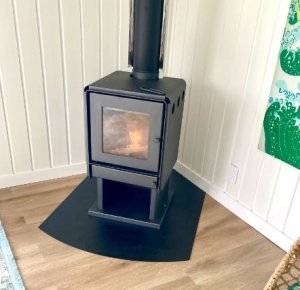
Image supplied
Gas heating is a type of system that uses natural gas to heat your home. In New Zealand gas can be a relatively inexpensive choice, depending on what region you live in. Gas heating is generally flued or unflued with flued gas heaters preferred over unflued. (We’ll tell you why in a minute).
Flued gas heaters have a pipe that serves as a chimney for taking away both emissions (that ‘gassy’ smell) and moisture. A good floor-mounted unit can be as energy-efficient as a heat pump, but heat pumps are usually cheaper to run.
Unflued portable gas heaters are the ‘old school’ moveable type that are dangerous to use, as they add loads of moisture back into the air, contributing to mould and dampness. They can even produce carbon monoxide if they’re faulty. Basically, steer clear, due to all these reasons PLUS the fact gas heating can be a fire hazard – they’re an accident waiting to be tipped over.
It is important to find out what heating source you’ll be dealing with before you purchase a home. Consider your insulation levels as well – homes with good insulation will require less energy to heat – but that’s a whole other blog!
If you’re unsure, just ask us. When you book a comprehensive report from your friendly Property Inspector, you get expert information and advice right from the get-go. Call us on 027 2939 808 for real peace of mind before you buy.


Image credit: Pexels
If you’re in the market for a new home or thinking about moving from a rental to owner-occupied, you’re likely to be familiar with the Healthy Homes Standards. These were brought in to ensure a better standard of dwelling for tenants and focus on key areas like adequate insulation, heating, ventilation and draught proofing.
But, healthy homes aren’t just for renters! Wouldn’t it be great if you applied the same requirements and principles across the property you’re looking at purchasing? Does your potential purchase come up to scratch? Is it warm, dry, and properly insulated? What, if any, is the heating source? Is there adequate ventilation and are the drains working?
When you get a property report back from us, we’ll let you know if your dwelling is ‘compliant’ so there are no (expensive) surprises when you move in!
Let’s start at the top with insulation. It’s such an important factor in any building that we wrote a whole blog about it. Good insulation acts like a blanket to keep your home warm in winter and cooler in summer. But if it’s not up to scratch, or non-existent, you’ll soon find out with chilly floors, cold rooms and often, condensation, mould, and damp issues. An uninsulated or barely insulated house will also suffer from poor thermal performance, with heating costs and power bills soaring as a result. So, it’s important for any property inspection to include this in the report.
Next, what’s your source of heating going to be? When winter hits, you’ll wish you had planned ahead for this one. When you visited the open home, you might have been delighted to see a heat pump installed… but we’ll be checking to see if it’s heating the whole place or just a part of it. Is the heat (or cooling) going to the right places or simply blowing air into the corner of the lounge while leaving the bedrooms freezing? If not a heat pump, what other, if any sources of heating are there? After all, you’ll want to know how expensive it’ll be to keep your home warm.
Ventilation and draughts are another biggie that can make the difference between a cosy home and a cold home. Mechanical ventilation systems like DVS can help in this regard, but so can opening windows for fresh air flow. The issue is when windows and doors don’t close in the frames properly or have degraded seals which leach cold air into your indoor spaces – brrr. Another plus of well-sealed windows and doors is noise reduction from noisy neighbours, roads, etc. With a pre-purchase building inspection, you’ll know what you’re getting into.

Image credit: Pexels
With the variety and age of housing stock in New Zealand, unless you’re buying brand new, you’ll almost never meet all the ‘requirements’ set out in the Healthy Homes Standards. But a comprehensive pre-purchase inspection is a great place to flag any future areas to upgrade or prioritise. When it comes to opting for the best ‘healthy home’ you can, you’re worth it – and your family’s worth it. It just pays to do the leg work first! Give our friendly team a call on 027 2939 808 and book a report for real peace of mind.


Image: Unsplash
Whether you’re buying your 5th home or just getting a toe on the property ladder, it’s a must to book a full pre-purchase property inspection before you sign on the dotted line. However, when you’re out looking at houses, there are some simple things you can check before you commit to a full report from The Property Inspectors.
We’ve posted before about cavity systems in homes. Whether a property has a drained cavity system or not can hugely impact its weathertightness – which can have flow-on effects to the durability and longevity of the building structure itself. A quick check you can do is to put your hand underneath the bottom of the exterior cladding and feel if it’s hard against the substrate or underlying layer of the framing. If there is a gap, it’s likely the property has a cavity system which gives moisture a chance to escape prior to damaging framing.
In some properties the exterior cladding goes all the way down to the ground (such as in certain plaster homes) and sometimes there are gardens built up against the lower cladding. This makes it much easier for any rain or ground moisture to sit up against the cladding and work its way into the surrounding framing. Generally the solution to this sort of issue is bringing the cladding below the base of the framing which can be a costly exercise in some cases. At best, it’s something for you to look at and potentially fix up later. Know before you buy.
You might not be able to see much from the ground, but try and eyeball the roof you’ll be relying on to keep out the elements. Have a look and see if it’s clean, or is it covered with moss, grime, old rusting steel or obvious repairs? While you’re at it, check the gutters – can you see any blockages, grass growing, or water ponding up there? (Tip: have a look from the second floor if it’s a double-storey). Replacing or repairing your roof soon after purchase could be one of the biggest costs you face as a homeowner, and not one you want to tackle with a brand-new mortgage!

Image: Unsplash
Sometimes you can smell must, mould and damp before you see it, so when you enter a house, make sure you have your nasal detectors switched on! Pull back the curtains and have a look at the rear side for mould spots, check whether the bathroom ceilings and silicone joints have black spots, and inspect the carpets for signs of discolouration, particularly in the corners. Are there dehumidifiers in the house, or tubs of ‘Damp Rid’ in the wardrobes? All these are signs of attempts to control moisture in the home.
New Zealand has many homes which are old, with electrical wiring which is dated and might not be safe. Try and find the switchboard for the home which will give you an indicator of what sort of wiring and electrics you’re in for. Are you looking at an old ‘fuse’ type of board, or a newer circuit breaker one? While it might not need replacing right away, an older switchboard can mean it won’t handle the load of a modern household full of 21st century technology.
These are just some quick visual things you can do as you embark on your property inspection journey. If you are in the market for a new home, make sure you read back over our Building Basics series. When you’ve found the one you really love, call us on 027 2939 808 and book a comprehensive pre-purchase home inspection for real peace of mind.

Prospective homeowners might have a new concern to factor into the search for their next purchase – the risk of flooding and whether a property has been flooded before. With that in mind, knowing where to find that information, along with a comprehensive property inspection, will equip you with the facts before you buy.
Read on to find out how to determine if a property has flooded or might be at risk of flooding in the next climate event.
A property’s LIM report is a good place to start. In it, you can see if the house has been identified by council as being at risk to natural hazards, including flood.
A flood hazard means flood water will pool in low points, or water could be fast moving down a slope. If you are Auckland-based, the council has a Hazard Viewer – click on the ‘flooding’ tab to see if there is a flood hazard on, or near your property. Core Logic has an NZ floodmap for a full picture of the flood risks nationwide.
When you’re visiting the property take time to assess the lay of the land. Where is the house situated? Is it down in a valley or is it on a hill? Does it have a long driveway that runs down towards it? If yes, could this act as a path to funnel lots of water towards the property?
If there are neighbours, where are their houses in proximity to yours? Are their houses sitting above you and does yours end in a natural valley or low-point? Remember their stormwater, services, and run-off have to go somewhere.
Different eras of homes bring a variety of foundation construction. Is it a concrete slab or is it sitting on piles? – because each will operate differently during a flood event. Houses on piles are generally preferable in flood-prone areas because you’re higher off the ground. Plus it’s usually easier for your property inspector to access the space to look for any pooling of water, damp or damage. Tip: We’ve got comprehensive information about types of foundations on our website.
When a house is built low to the ground, e.g. on a concrete slab, or with little clearance from the earth, moisture ingress can cause havoc by wicking up into walls, causing damp, mouldy conditions. High moisture levels inside a home can be an indicator that the home is damp, even when water has drained away.
And don’t forget to check the exterior of the home for gardens, lawns or banks of dirt up around the exterior cladding – basically, anything up against the house that could become more saturated in heavy rain and hold moisture.
While most homes will have drainage such as stormwater and strip drains, they only work when they are clean and clear. Check for silt, leaves and other debris which might block them and stop water getting away from the property. Also note where the drains are in relation to the house – are they at the low points of the section or driveway? Is the driveway shaped to funnel water away from the dwelling or is it a likely gathering point in heavy rain? Does the lowest part of your section bypass the drain so water may pool having nowhere to go (and cause issues) further down?
Old, leaky gutters and downpipes might cause rainwater to spill out onto the section, adding to issues with water pooling when it’s teeming down.
Garage floors are often concrete which is a good place to see any staining around the walls where water might have come in. On internal walls, if there’s been flooding or high moisture, there could be signs of mould or damage to carpets and cladding.
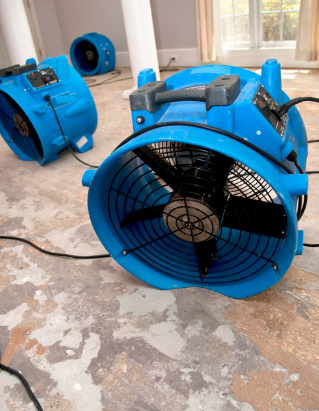
Image credit: Canva
If a house has been in a flood, damage might have been repaired so it can be hard to work out if a property has suffered water issues and how serious it was. Remediation of issues in a flood- prone property can become very expensive. There are also things owners can do to mitigate future problems, such as changing the fall of a driveway, building retaining walls, adding more surface water controls and drainage – doable but costly!
With lots at stake around the purchase of any property, it pays to do plenty of due diligence with checking council files, and making sure you get a qualified property inspector on the case!
Get in touch to discuss a property inspection now – phone your friendly property professional Dane on +64 27 2939 808.
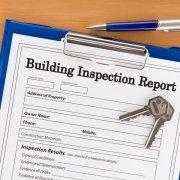
When you are buying a house there is nothing more important than making sure that the property is safe, and that you’re actually receiving what you’re being sold on. One of the best ways to make sure the property that you’re buying is a safe place for you to live (and is worth the money the seller is asking!) is to get a builders report.
Sellers also utilize builders inspection report as a way to assure prospective buyers, shorten the close time on their property, and as a part of the valuation process.
There is significant value in getting an inspection completed by someone who can do a builders report, NZ homebuyers are under increasing pressure to buy homes without contingencies to speed the process along. While a quick close might be desirable, we don’t think it’s more important than protecting yourself and your investment.
So, with that in mind, let’s take a look at the basics of builders reports in New Zealand.
A builder’s report is a detailed inspection of the structural aspects of the property you intend to buy. It will assess a range of areas and factors that play into the overall stability and adherence of the property under the NZS 4306:2005 Residential Property Inspection.
A lot! All jokes aside though, a detailed building report might seem like overkill but spotting that patch of damp in the far back corner might just save you from extensive structural work a few years down the line.
You can download an example builders report here to see the kind of things we look for during an inspection.
Many people think of the costs and the time it can take to complete as disadvantages of a builders report, but is saving a relatively small amount of money worth going into one of the largest financial decisions you’ll ever make without knowing the state of the asset you’re purchasing?
We believe that knowledge is power and even if you receive an unsatisfactory builders report you can use that knowledge to your advantage. If you know the exact state of the property you can withdraw from a potentially damaging financial situation, renegotiate terms, or go ahead with the sale knowing exactly what you’re getting into.
The price of a builders report can very widely depending on your unique circumstances, and any quote should ask you:
– How big is the property? The number of bedrooms is important, but not as important as the overall size of the building. For example, a two bedroom house with ensuites, two guest bathrooms, a recreation room, TV room, a formal dining room, two offices, and a gym is likely to be far more work than a two bedroom house with one bathroom, living room, kitchen, and dining.
– What type of property is it? Apartments, freestanding houses, terraced houses, townhouses – they all have their unique aspects.
– How complex is your property? Multiple stories and alterations to original plans can impact your inspection.
– How old is the house? The age of the property and the materials used also need to be taken into account.
Talk to us today about creating a free, no obligation quote – or just fill out the form below and we will get back to you as soon as possible.
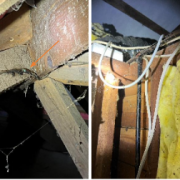
Across our Building Basics series, we’ve covered everything we look for in a pre-inspection, from the roof to the foundations. As with our blog on plumbing last time, your potential purchase’s electrics and wiring may be hidden in walls and ceilings. Unfortunately, out of sight does not mean peace of mind… It pays to have a thorough inspection of any possible hazards before you sign on the dotted line.
New Zealand has many homes which are old, with electrical wiring which is dated and might not be safe. Old wiring is unlikely to meet current NZ Electrical standards, so your property inspector will be on the lookout for a few tell-tale signs, including:
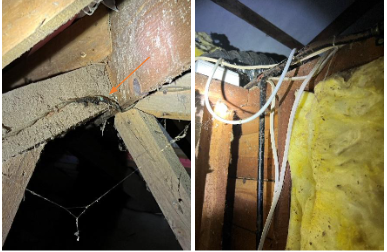
If your wiring is over 60 years old, there’s a good chance you might need to replace it. The first type of wiring used is called Vulcanized Indian Rubber or VIR. This is commonly run in a steel conduit or wooden casing. From around 1940 to the late 1960s, a rubber coated electrical wire was commonly used to insulate wiring. This is called Tough Rubber Sheath wiring or TRS for short. Both of these types of wiring have been found to deteriorate over a period of time which can lead to an increased fire risk. It’s important to point out that an insurance company might decline to insure your property if the wiring is old or not fit for purpose – a great reason to get it checked. Exposed or deteriorated wiring is also an electrocution hazard.
In an older property, it’s likely that over the years, some (if not all) of the wiring has been replaced. Your property inspector will be checking that it’s fixed off properly i.e., not loose, in the ceiling or sub-floor. They’ll also be checking that it’s free from water and pest damage, something that might be more common with older rubber-coated wires. Ideally when an electrician replaces the older wiring they remove it so there is no risk of anyone accidentally making them ‘live’ in the future.

Every home runs dozens of appliances which suck up power, like big fridge freezers, dishwashers, dryers, heat pumps, induction cookers, and microwaves. The load we are putting on our wiring and switchboards today has increased dramatically, but it can be too much on a switchboard that is no longer fit for purpose. The circuit board is there to protect your appliances and ensure a smooth ‘delivery’ of electricity without cutting out or causing light to flicker.
Without steady conduction, there’s a chance using too much electricity can cause fuses to blow, or circuit boards to ‘trip’. In some cases, there’s a risk of fire. Imagine you’re in the middle of a dinner party, entertaining friends, and the lights go or the hot water cylinder fails. Changing the fuse in an old switchboard (involving ceramic plugs and wire) is time consuming, fiddly, and dangerous if you don’t know what you’re doing.
Your property inspection report will include the age and condition of your switchboard and whether it is the old ‘fuse’ type of board, or a newer circuit breaker one. Many switchboards will be original to the property. Some aren’t easily accessible. Renovations or alterations over many years can mean past owners haven’t bothered to move the switchboard – we’ve even seen kitchen cabinets built around one!
Note: some older switchboards might contain asbestos, which is handy to know. This can add to the cost of replacement. While they might not need replacing right away, they make ‘modern living’ with our dedication to technology and gadgets a bit more difficult!
Other warning signs that your home requires rewiring can be the state of the switches and fittings. We’ll test the power sockets and be on the lookout for brown scorch marks, broken fittings, or loose wires.
If you’re in the market for a new home, make sure you read back over our Building Basics series. When purchasing a property, there’s a large list of things that need to be checked over. If your property report highlights any electrical red flags, we recommend getting an electrician to check off if you need any imminent or future repairs. Go into your next purchase with your eyes wide open. For true peace of mind, book your comprehensive pre-purchase inspection with us today on 027 2939 808.



Mobile +64 27 2939 808
Phone: 027 293 9808
Address: Highland Park Drive, PO Box 82400 Highland Park, Auckland 2143