Latest News

subfloors

Building Basics – Understanding Subfloors

When you’re buying a house, pretty much everything (the entire structure!) rests on making sure the foundations are up to scratch. That’s why your house inspection checklist really needs to start at the ground floor – or in this case, the subfloor.

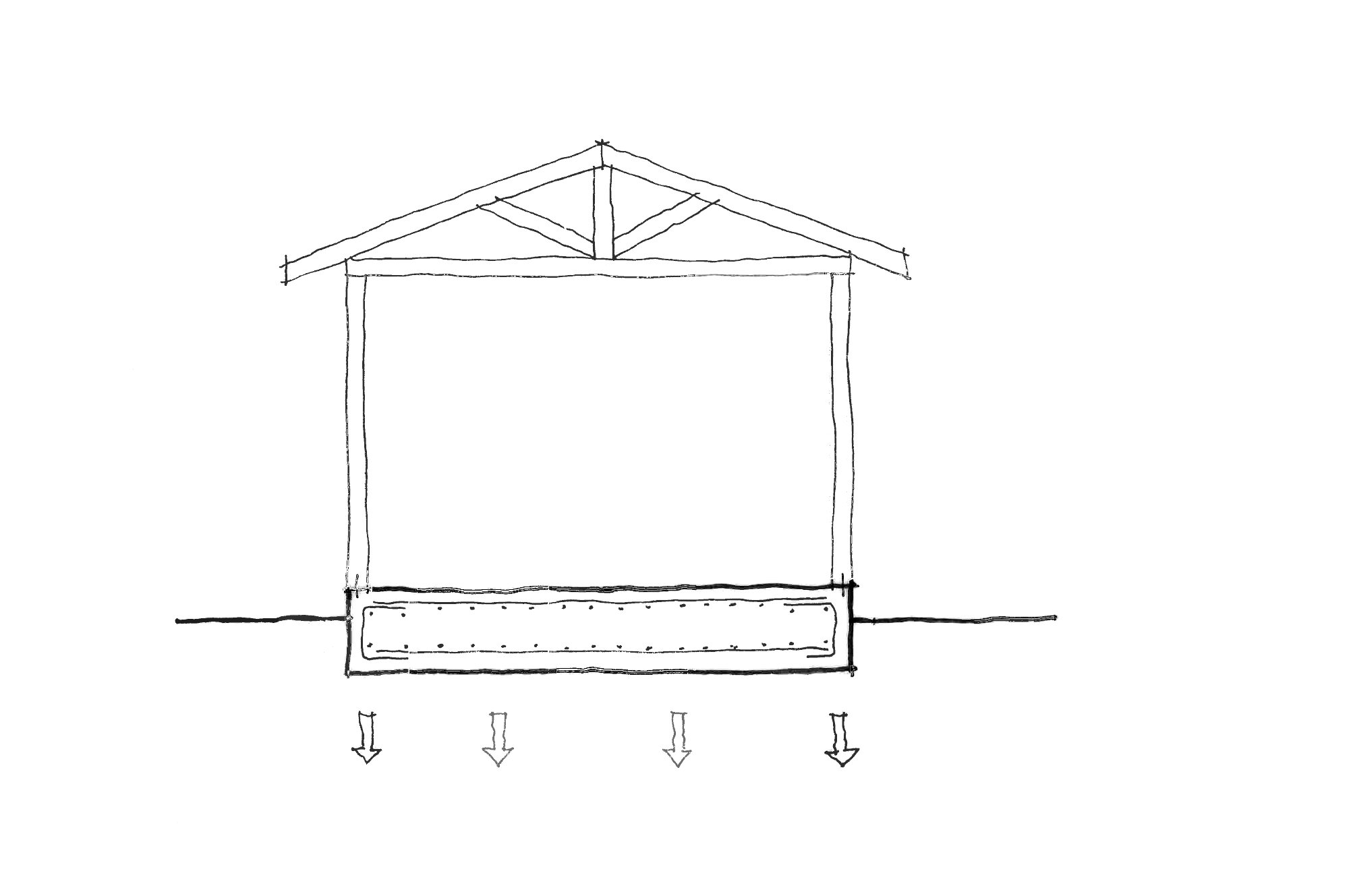
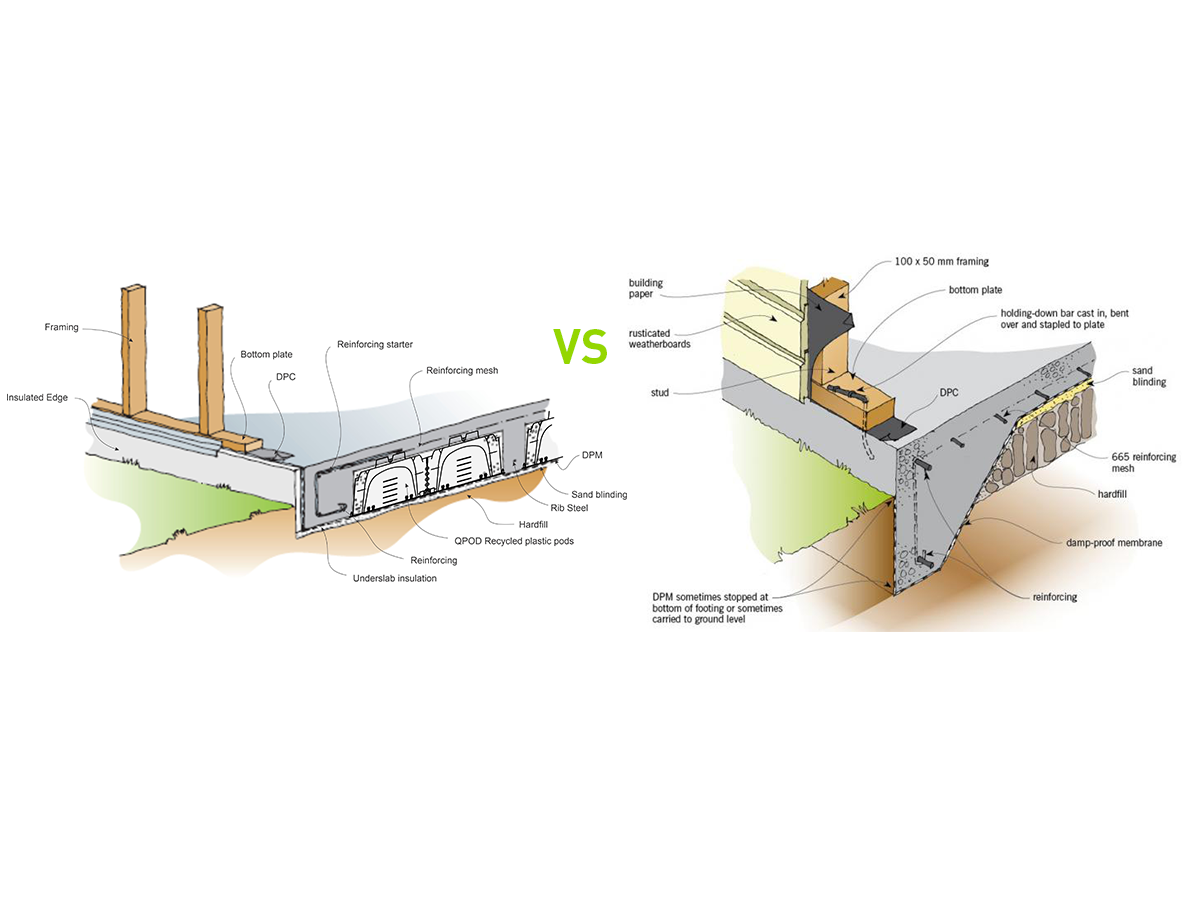
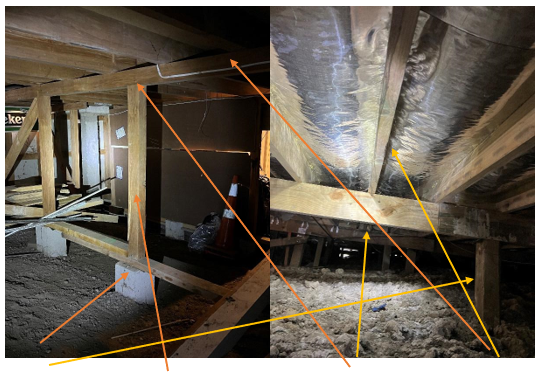
The subfloor is the bottom most structure of a floor which is made up of piles, bearers and joists, all designed to lift your timber off the ground. (These are not to be confused with concrete or raft foundations – which we’ll cover in a separate article.)

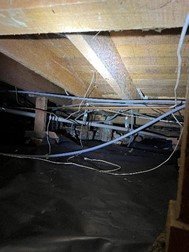
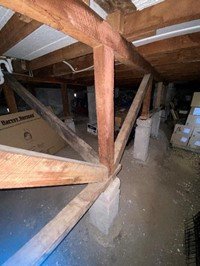
Piles are the stilts, legs, or supports that come out of the ground and hold the bearers up. These are usually made from timber, concrete or a mixture of both (usually in this case called jack studs). The subfloor bearers are the main beams that run along the structure, while the joists are what the flooring materials are fixed to. In these sorts of floors you’ll generally have a subfloor space that you can get underneath.


Pile                   Jack Stud                      Bearer                  Joist


Plenty of New Zealand homes have these suspended timber floors – and many suffer from some common issues that aren’t visible from the street or the garden. So, let’s crawl under and check off what these issues might be, and what you should be on the lookout for.

First – is the subfloor space accessible?

Being able to access the space under the subfloor is key to finding out what’s really going on. Many are ‘walk in’, and big enough for people to store household goods, suitcases and outdoor sports gear under. Others are tight and claustrophobic. You ideally need at least 400mm clearance – or you’ll be crawling on your belly.

It’s very important to keep the access way clear, so you, a property inspector, or tradie can easily get in and under, to check out any issues. Sometimes hatches and doors get built over, as in the case of one property we looked at where the deck had been constructed over it. The owner had to spend the day taking his deck apart so we could access the subfloor – not advisable if you have an urgent issue such as a plumbing leak.


Once we are in, there are plenty of things to look for:

Dampness

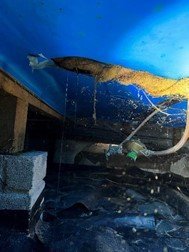
Dampness, leaks and soggy subfloors are one of the most common problems in suspended timber floors and can lead to poorer health for residents. Dampness issues can also have a ‘flow-on’ effect and lead to other problems like rot and corrosion, vermin and/or borer infestation, poor insulation performance and even instability if piles (holding the floor up) become unstable. During our inspection we also look for ground built up around the cladding and the subfloor which can lead to moisture, rotting timber and mould.


Ventilation and moisture barrier

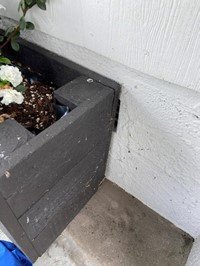
Ventilation plays a big role in allowing airflow through the subfloor area and assists in keeping timbers dry. It’s important that vents built into the subfloor are not blocked off and that the ground level around them doesn’t allow moisture into the subfloor. Also that they are not damaged as that will make a path for pests. It’s now part of the Healthy Homes rules that you need to have a moisture barrier on the ground if subfloor areas are accessible. Things like a polythene sheet will help stop any damp rising and make life a lot easier and stop you getting wet or dirty.

vent


Vent blocked off by planter

Insulation

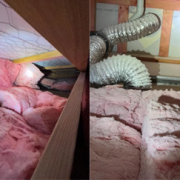
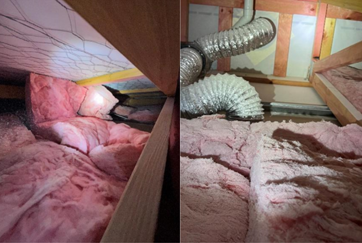
Insulation plays a crucial part in keeping the interior of a home warm and dry. There are so many different types of insulation and they have changed over the years. The older foil insulation we commonly see is not rated anymore and can be extremely dangerous if it meets live electricity. Other insulation types might be polystyrene blocks, or a fiberglass or polyester. If insulation is poor, or non-existent, it can add significant cost to your house expenditure, and buyers need to be aware of it.


Subfloor Connections

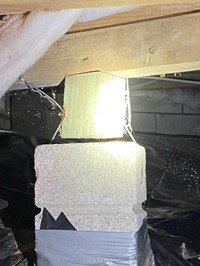
Bearers sit on piles or jack studs and can move over time – some older homes may even be resting on tree stumps! And in plenty of older houses the bearers were never attached to the piles – resting not fastened – not ideal in an earthquake. It is important to check for any gaps between the piles and bearers to ensure the piles are doing the work they should. Also check to ensure no piles appear to be missing as sometimes they can be removed for various reasons and either not replaced correctly or at all.


Gaps under piles


Age of the building

If a subfloor is built from original native timber or untreated timber it can show signs of cracking due to age, or it could be a sign of dry rot inside the joists and bearers, Conversely in wet areas, such as under bathrooms, showers and laundries, leaks from above can cause issues to flooring materials and joists.


Newer builds

These days, to be up to current code, you need the correct fixings, bracings and connections, called ‘subfloor bracing’. Simple bracing has to be bolted to the timbers using square washers. In the past, a lot of it was just nailed rather than bolted, or no bracing was installed at all. If a property is re-piled it will need to be brought up to these current codes.

subfloor bracing


New compliant bracing on left, older uncompliant bracing on right

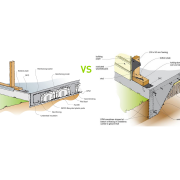
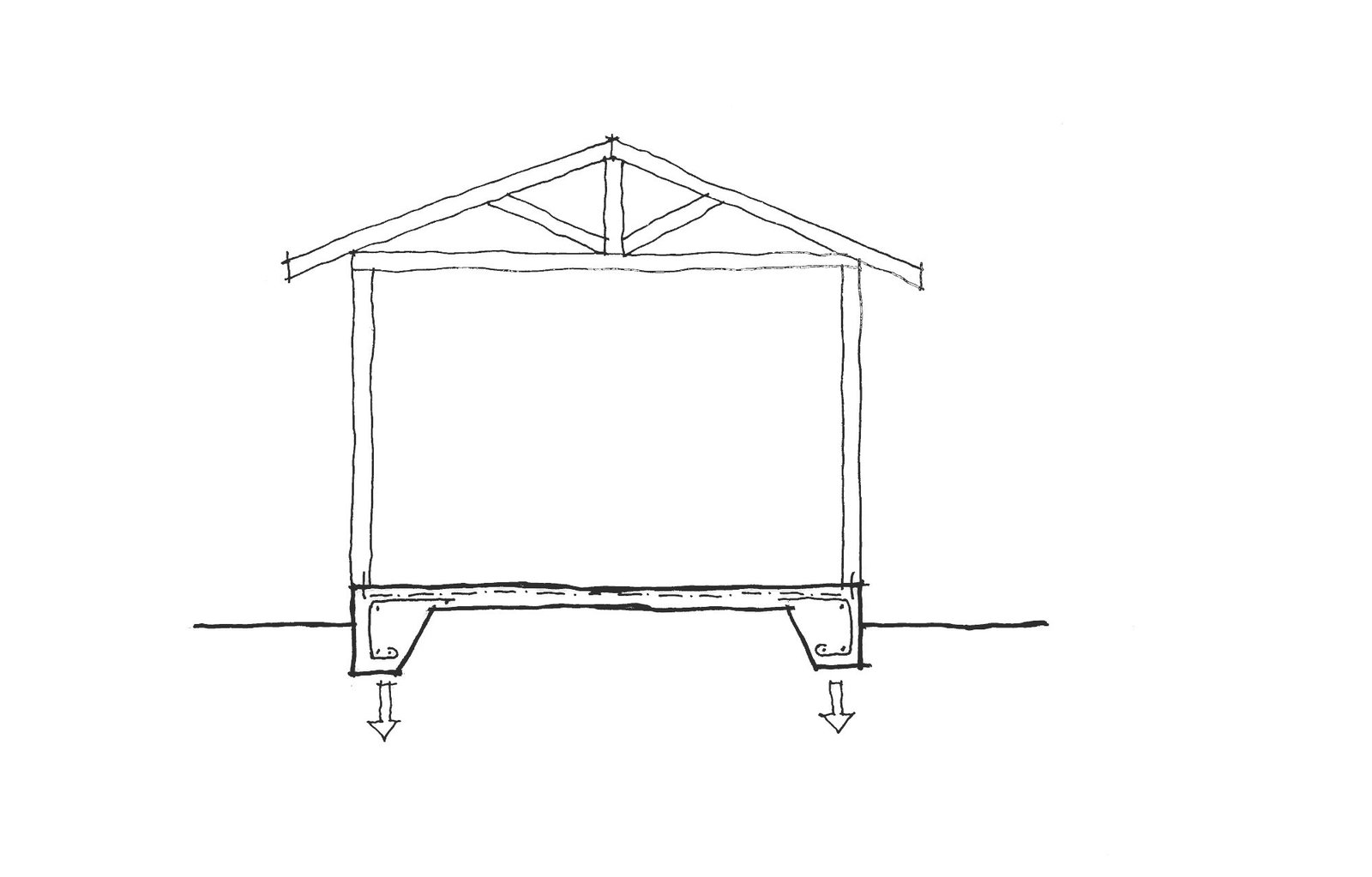
While most foundations constructed now are concrete (more on this next time), you do still see the odd timber one in something like a replica villa, or perhaps an area that is susceptible to flooding, such as a floodplain where you need to lift it off the ground.


Quick checklist for older timber subfloors:

  • Access/clearance – identify the access point and the size of the crawl space
  • If there is moisture, know where it’s coming from.
  • Check whether timbers are sound or if are they showing signs of rot.
  • Quality of the insulation, if any.
  • Loose piles – where there is a gap between the piles and the bearers.
  • Missing piles – does there seem like an odd gap or is there a pile not included in a row?
  • The cladding around your foundation – it could be asbestos if it is a fibre cement board. Is the ground level built up around it and is this causing any visible moisture damage?
  • Where the wires and pipes are, and if they are sagging, and/or need replacement or clipping up.
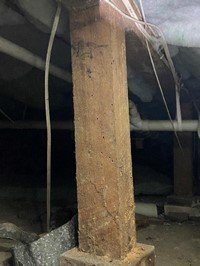
  • If there are signs of borer. These are generally small holes in the timber and/or piles of dust. This is common especially in old native timber and untreated timber – and we see a lot of it in Auckland.

wood and wire


Borer dust and borer holes present


  • Evidence of vermin such as mice, rats, possums, or other pests.

Bottom line – there a lot to look for!

As we said earlier, literally everything rests on getting the foundations right, so don’t put off an inspection because you can’t ‘see’ any issues and you think ‘she’ll be right’. Get the subfloor sorted and have peace of mind.

While there are risks with any type of property you’re buying, it’s important to understand the building basics to ensure you’re able to make an informed choice about one of the biggest purchases of your life. Book a Property Inspector to do your home inspection report before making any commitments.

[gravityform id=”1″ title=”true” description=”true”]

Drained cavity system - showing the joint

Building Basics – Understanding Drained Cavity Systems

When you’re buying a house, it’s helpful to know some basic things to look for around the type of construction, to discover if there might be any issues. One of these building basics you might have heard of is the ‘drained cavity’ system. Whether a property has a drained cavity system or not can impact its weathertightness – which can have flow-on effects to the durability and longevity of the building structure itself. So what is a drained cavity, and how and why does it need to work?

Drained cavity basics

Since 2004, changes to the Building Act have meant an increase in the use of drained cavities behind exterior cladding – that’s the material on the outside of your dwelling. Your cladding might be brick, weatherboard, cedar, or plaster, for example.

Firstly, what are drained cavity systems? What we now know as ‘drained cavities’ allow drainage paths to take any water that penetrates the building envelope (exterior cladding) back to the outside face. Combined with openings in the building envelope that allow air into the cavity space, they assist in drying out moisture.

Prior to the new regulations, which were upgraded to provide an escape route for any water or moisture that penetrated the exterior cladding, a drained cavity as we know it today, was less standard. It was more likely for cladding to be fixed directly to the timber framing, with only a thin sheet of building paper providing any sort of barrier. Older brick houses were generally built with a type of cavity – but even those rules are different for brick construction today.

But don’t panic if you have a property built prior to the change in the building code. Drained cavities are also designed to work in conjunction with other features to aid in repelling water, such as flashing and roof eaves.  So, not everything constructed without a drain cavity is designed to fail.

Because different eras of homes were built under different building code regulations and rules, when we inspect properties, we consider the four Ds – deflection, drainage, drying and durability.


What to look for

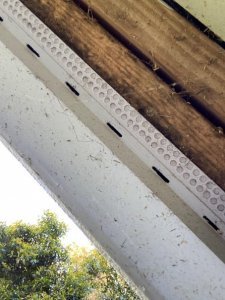
Check under the cladding using a small mirror or your phone camera and see if the cladding has a vented strip underneath to allow air movement and moisture egress. For brick veneers check that there are weep and vent holes (gaps in the mortar between the bricks) every 3-4 bricks.

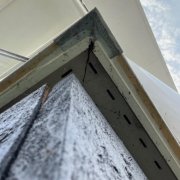
Drained cavity system - showing the joint

Showing the edge of a drained cavity system

Diagram of drained cavity system

Picture credit: BRANZ, 2010


Follow the 4 Ds

Deflection – the more a surface or wall is exposed to water, the higher the risk of water getting inside the building. Deflection elements such as cladding, flashings, roof eaves and verandas can all aid in deflecting rain away from walls.

Drainage – walls should be built to allow water that may have penetrated the exterior cladding to drain down the back of the cladding and back to the outside. This might be through specially designed drainage gaps at a window head or sill, or at the bottom of the cladding.

Drying – the amount of drying that occurs in a wall cavity can depend on the cladding type, and how the cladding is installed. E.g., if it is ‘direct fixed’ to the framing, there is less chance for ventilation and therefore, drying.

Durability – some claddings, such as brick, simply last longer and are less water permeable.


The properties that people worry about most are plaster homes, as even with drain cavity systems in place post 2004, a cavity system is not a guarantee that moisture will not cause damage to framing and wall linings. At the same time as this new plaster cladding surged in popularity, the building architecture also changed. ‘Mediterranean style’ designs introducing different and more complicated junctions, flat roofs, parapets and a lack of eaves all contributed to weathertightness issues.


What questions should people ask when looking at a plaster home?


What year was it built?
This will determine if there is likely to be a drainage cavity in place. Between the late 80s and 2004, plaster homes were more likely to be ‘direct-fixed’ and more susceptible to weathertightness issues. So, a big part of what we do is to ascertain exactly what is behind the plaster.

What state is the cladding in?

Has it been well maintained without cracks? Does it have an exterior paint surface designed to stop moisture penetrating it? Maintenance plays an important role in keeping any home, especially a plaster one, weathertight.

Does it allow for drainage and drying?
Does it have the added assurance of a drain cavity? Not everything may be as it seems even in a more modern ‘monolithic’ clad home.

Is the cladding original or is it hiding something?

There might be a second cladding on top of an original cladding that is not correctly installed. Note: we come across recladding on properties of many eras, not just ‘newer’ plaster homes. There are plenty of old bungalows that have been recovered in a lower maintenance cladding, as people who owned them realised how much effort and time it took them to maintain timber weatherboards. Sometimes this took the form of faux brick or a fake brick-like plaster coating. This is not classed as a drained cavity. It’s what is called a rain screen system – which isn’t allowed nowadays. So definitely something to have on your watchlist.

While there are risks with any type of property you’re buying, it’s important to understand the building basics to ensure you’re able to make an informed choice about one of the biggest purchases of your life. Book a property inspector to do your home inspection report before making any commitments.


[gravityform id=”1″ title=”true” description=”true”]

home inspection report

Common problems that pop up in a home inspection report

Every home is different. But when a property inspector puts together a home inspection report, there are a few common problems that pop up more often than others. Being aware of them might help you notice things while you are doing your own viewing, or prepare you for your own home inspection report.

Not to mention that, as a seller, it can be good to know what problems might pop up so you can have a look at your own home and make remedies before putting it on the market!

Pipes and plumbing

When it comes to plumbing, you can’t afford to keep things out of sight and out of mind. Particularly in older homes, materials used for pipes like lead and steel can corrode and be expensive to replace. Even copper pipes in newer homes don’t last forever. If pipes are leaking or looking like they’ll need repairs soon, it will be an important cost to factor into your purchase. 

Insulation and ventilation

Summer is normally a popular time to buy homes, because homes tend to look a bit nicer in the sunshine! But if you don’t get a property inspection, it might be winter time before you realise that the home isn’t well insulated enough to hold in the warmth. Knowing how well your home is insulated will mean you can prepare for the sort of electricity bills you’ll be getting in winter!

Summer can also make it difficult to check whether a home has adequate ventilation and airflow other than doors and windows, which is a common problem that comes up in reports. If you spot mould in the home while walking through, particularly in the bathroom and laundry, it means there’s no adequate ventilation and that it’s not a very healthy place to live. 

Old home appliances

If the home you are looking at comes with appliances, remember to double check that they are actually working! It’s a nasty surprise to move in only to discover that the washing machine or dishwasher isn’t working properly, which will become another cost you’ll have to add on.

Handrails

Handrails seem pretty minor, but you don’t want weak ones to fail when someone is leaning on them. While an inspector will give them a look, you too can get a sense of how secure they are when walking around the home. 

The roof

Because the roof is difficult to check yourself, your property inspector will be sure to check it when they do an inspection. The roof can sometimes cause problems if it’s damaged or leaking, especially if the home is an environment that’s exposed to the elements. Replacing a roof is a big commitment, so you’ll want to make sure the roof has plenty of life left in it before signing on the dotted line. 

Spotting common problems in a home inspection report

While these are some of the more common problems that pop up in an inspection to be aware of, there are a whole range of things a property inspector will look out for. To guarantee that your potential home won’t have any unpleasant surprises, book a property inspector and a home inspection report before making any commitments. You can inquire about a quote for a potential property via the form below!

[gravityform id=”1″ title=”true” description=”true”]

pre purchase property inspection

Looking after gutters with the help of a pre purchase house inspection

Gutters. They seem simple enough, but when something goes wrong they can cause big problems. Blocked gutters and downpipes can be a serious defect if they lead to water or structural damage! 

When a qualified property inspector does a pre purchase house inspection, they’ll keep an eye out for any problems with the guttering of a home or any structural damage. That way, you can be fully aware of the condition of the home you are purchasing. But once you are in your dream home, there are some things you can also do yourself to stop any damage happening. Taking care of your gutters is an important task to do at least twice a year – and luckily it’s pretty easy. 

Looking after your gutters

Gutters will likely always have some debris in them – especially if you have trees around. Every now and again, you’ll want to clean out the debris and muck into a bucket to get rid of. Once that’s done, be sure to flush out the gutters and downpipes thoroughly with water from the hose (depending on water restrictions, of course). Flushing the pipes not only helps you make sure that they are properly clean but will also show if the downpipe is blocked. If that’s the case, you might need to call in a professional!

A clean gutter not only looks great when it comes time to sell your home, but also means that no water will get backed up and debris won’t wear away at your roof and guttering system. Spending the time and money on keeping them tidy and functional means you’ll have a trouble-free gutter for a long time!

Gutters and a pre purchase house inspection

If you’re looking at purchasing a house, be sure to get a pre purchase house inspection for a full rundown of the house’s interior and exterior – including the gutters and draining. While gutter problems can be fixed, it’s good to be aware of the potential repair costs you might need to factor in if you are wanting to go ahead with your purchase!

[gravityform id=”1″ title=”true” description=”true”]

How a property inspection report can detect water damage

It’s common knowledge that water and moisture damage is one of the biggest property inspection red flags. But what is water damage, and what should you be keeping an eye out for in a potential home before getting your property inspection report?

What causes water damage?

Water damage can be caused by a few different factors – including pipe leaks or bursts, flooding, a leaky roof, or joinery problems. It becomes detrimental to the structure of a home when water sits for long periods of time and causes dampness. Not only is damage caused by excessive water or moisture extremely expensive to fix, it can also be pretty bad for your lungs and health. 

Before purchasing any property, you’ll want to make sure there’s no water damage – as well as make sure it’s watertight so there’s no chance of any damage in the future. A property inspection report will give you the most comprehensive overview of the home’s condition, but before booking an inspection there are a few things you can look out for yourself. 

What sort of things should you be looking out for?

The good news is that with a careful eye, water damage can be spotted. When water sits for some time, it will leave stains, so keep an eye out for discolouration on the floors, walls, or the baseboards running along the base of interior walls. A helpful tip is to check out the basement or the foundations of a home, which will be stained if there’s been any flooding. While some sellers try to clear the house of any water damage signs, many forget about the basement!

Crumbling wood – particularly around windows – is also a tell-tale sign of water damage. If you see any crumbling or mould on window frames, it’s probably signs of efflorescence, meaning that water is seeping through to the area. 

The ground outside the property can also indicate any water damage. If the ground is uneven and drops away from the level of the foundation, it can be a sign of flooding. 

What difference can a property inspection report make?

While you can keep an eye out for some of these signs while looking through a home, a trained and qualified eye will be able to spot things more easily. A property inspector will give the home a full inspection from top to bottom and provide you with a comprehensive property inspection report outlining everything you should be aware of. They’ll assess the home’s interiors, including the kitchen, bathroom and laundry; as well as its exterior, like the roof and foundation. That way, you’ve got all the unbiased facts so you can make the most informed decision. 

Purchasing a property is a big deal – and a water damaged home can cause a lot of grief and expense in the future if you aren’t aware of it. To avoid any nasty surprises, always get the help of a property inspector before purchasing your new home.

[gravityform id=”1″ title=”true” description=”true”]

pre purchase property inspection

Keeping your home well ventilated: how a pre purchase property inspection can help

A home with sufficient ventilation is absolutely crucial – both for the health of the home and for the health of your family. But when finding a home, what sort of ventilation features should you be looking out for? And how can a pre purchase property inspection help? 

Why is ventilation so important?

On the simplest level, ventilation is about the flow of air from outdoors to indoors (and vice versa). And while it’s all air, the control of flow is super important to ensure that there’s not too much stale or damp air in the home and that everyone is breathing clean air. 

Ventilation is perhaps the most important way to control moisture and dampness inside a house – and it’s no surprise why that is so crucial. Dampness and moisture inside can lead to all sorts of structural problems for a home and cause mould in places you don’t want. Proper ventilation also means that things like dust, pollen, smoke and bacteria can’t get trapped indoors, meaning everyone is healthier and happier. 

What can you do yourself to improve your home ventilation?

The first thing you can do to keep your home well ventilated is to open doors and windows whenever you can. I know in winter that can be difficult, but keeping the windows open when it is nice and sunny means that as much natural airflow can get in as possible. Keeping interior doors throughout the house open also helps in circulating fresh air.

It’s also important to make sure you’ve got extractor fans in your bathroom, laundry and kitchen so steam and condensation don’t hang around – even if you’ve got an external window. Sometimes in particularly damp areas a home will still need some help to stay clean and dry. In these cases, many people use the help of a home ventilation system. 

A healthy home with ventilation

If you own a rental property or are building a new home, then there are ventilation guidelines you’ll need to abide by as part of the Healthy Homes initiative. These guidelines dictate all sort of things – the exhaust capacity needed for extractor fans in the kitchens and bathrooms, the ratio of doors and windows needed in each room, and the types of ventilation needed in every single room. It’ll depend on your home and the size of each room. Read more about the guidelines here

Ventilation and a pre purchase property inspection

Before purchasing any property, you’ll want to make sure it’s sufficiently ventilated to save you any health problems or structural challenges in the future. While I’m not a specific Healthy Homes inspector, ventilation is one of the big things I check for when conducting a pre purchase property inspection. A badly ventilated home is immediately a red flag. 

So do what you can in your current home to keep the air nice and clean. And when it comes to looking for your next property, keep ventilation at the top of your mind and get the help of a property inspector to check it before signing on the dotted line. 

[gravityform id=”1″ title=”true” description=”true”]

house inspection

How a house inspection can spot what’s happening underneath a home

When a property inspector does a house inspection, they’ll be paying attention to a whole list of things throughout the house. While there are some obvious things that will always be included in a house inspection report (like the roofing or insulation), there are other aspects some might forget to consider without the help of a property inspector. All too often people forget to check what keeps the house standing – the piles and foundations under your property. 

Why is it so important to ensure your property inspector checks underneath your house? And what should they be looking out for?

What are piles?

Piles are the things that keep your house standing, providing the foundations that everything else is built upon. They are there to make sure that the weight of the house is evenly distributed across the land and soil it rests on. They also play a key part in ensuring the house is balanced and stands straight – because you don’t want an off-balance home!

Have a look under any house built in New Zealand and you’ll find that most foundations are generally formed by wooden poles or posts, or concrete piles with wooden jack studs.

What will a property inspector look for under a house?

No part of a home lasts forever, and over time piles might begin to rot; the weight of a home might become unevenly balanced. Older homes in particular are prone to pile damage, as some were built on tree stump piles which pose problems as time goes on. Piles can become cause for concern when they start moving, which may cause the house above to twist or crack. 

A good property inspector will look for whether the piles of a home have ever been replaced, or whether they might need replacing soon. They’ll also check that any new homes have foundations that meet Building Code requirements and are earthquake-proof. 

No matter what, they’ll look out for whether the piles are in a good, healthy condition and are properly braced. There’s a lot riding on these hidden features so you’ll want to make sure they are in tip-top condition!

Why a house inspection is so important

The foundations of a home are crucial – so why would you leave them to chance? While the untrained eye might be able to look at foundations and piles, only a trained property inspector can give you the entire picture about the state of what’s happening underneath your potential home. 

Re-piling a home and repairing foundations is a lengthy and expensive task, so you’ll want to know exactly what condition the piles are in before you commit to a new property. Ensuring the safety of your home’s foundations with a house inspection report means that you can sleep easy knowing you are on steady ground!

[gravityform id=”1″ title=”true” description=”true”]

home inspection report

Hidden costs in a home – how a home inspection report can help

When looking for a new home people tend to take a property at a nominal price, only considering which home is the most affordable right now. All too often, people forget to consider the hidden costs in a home and the repairs a house might need. But that’s where a home inspection report can help.

A house might be $20,000 cheaper now, but what if it needs its roof or cladding replacing in a few years? All of a sudden, you’ve got a house that might not have been the more affordable option after all. Factoring in the hidden costs of a home in a home inspection report is one way to prepare yourself for taking on a property.

Getting an unwanted surprise

Once you’ve signed on the dotted line and made the purchase, your home is your responsibility. That’s why any unexpected problems or repairs needed can be a shock to the system – and the wallet!

Years and years of life and wear can take their toll on a property – so it’s no wonder things need repairing as time goes on. While some parts of a house might last a lifetime, others might age quicker. It’s been suggested that the average house needs a 50% replacement over a 30-year period – an important thing to consider if you’re planning on purchasing any property! And while we can’t know if that figure is bang on for all homes, it’s certainly a big enough percentage to think about.

What parts of homes tend to lead to hidden costs?

The exterior of a house tends to weather the full force of the elements, so pay attention to the environment your home is in when looking at a property. Houses exposed to more wind, rain, or damage from trees will likely need their cladding or roofing replaced sooner than others. A property inspector will look at the materials used for cladding and how durable it is to give you an idea of whether it might need replacing soon.

Inside the house, things like flooring, doors, and windows will need maintenance because of wear and tear. Piping is another thing a property inspector pays attention to, as homes built mid-century with copper pipes are approaching the 70-year lifespan mark.

A hot water cylinder is also a common cause for concern – and their lifetime is often just down to luck. I’ve seen cylinders over 50 years old still working perfectly well, or some less than 20 years old that need replacing. Ensure your property inspector gives the hot water cylinder a look to determine what sort of condition it’s in.

To read about the ageing parts of a home in a bit more depth, have a read of one of my earlier blogs.

How a home inspection report can make a difference

A home inspection report can’t predict the future, but it can give you an idea of the repairs you might need to prepare yourself for when purchasing a property. Knowing the future costs of a home will mean you can make as informed a decision as possible – and feel pretty confident that no surprise hits to your bank account will happen anytime soon.

pre purchase house inspection

Know the risks with a pre purchase house inspection before you purchase

When you’re looking for the perfect new home, it’s easy to get caught up in a bit of a whirlwind. It’s often love at first sight with a property. But love tends to make us blind to what might be wrong with it! Too often, people purchase their dream place in such a rush they might not realise it has risky elements – an inconvenience that could be spared with a pre purchase house inspection. 

What kind of risks will a property inspector look for?

When doing a pre purchase house inspection, a property inspector will keep the 4 Ds of construction in mind. Deflection, drainage, drying and durability are the 4 basics of any building or house – and I like to consider design as well. I’ve written more about the Ds in depth on a previous blog you can read here

While a property inspector will assess each part of the house separately, they’ll also pay attention to the house a whole. Is there a cavity? Is it made out of bricks, plaster, or something else? Is the drainage appropriate, or does the design mean that moisture will be trapped somewhere? Is the cladding fixed directly to the framing?

The biggest risks they’ll look for include moisture ingress, faulty pipes or wiring, drainage issues, structural damage, or rot. 

A property inspector will pay attention to the age of the home as well – especially considering many homes built prior to 2005 were designed according to now outdated building regulations. Generally, the newer a home is the better – although new homes can still have problems and mistakes too! 

Why do risks go unnoticed?

The problem with many of the risks I’ve mentioned is that they are often hidden to the untrained eye. A house may look perfect at first glance, but many problems are hidden so are tricky to spot without a thorough pre purchase house inspection. 

Finding and purchasing a home is often an emotional process, with people falling head over heels for a home that’s within their budget when they’ve found it. And while that’s great, it becomes a problem when it makes us ignore all the potential risks in the property. 

It might sound harsh, but it’s important to try and take the emotion out of purchasing your home and look at the property objectively with the help of a house inspection. 

Assessing the risk with a pre purchase house inspection

A property inspector isn’t going to give you a green or red light on whether you should purchase a property. Rather, a property inspector aims to equip you with all the information you need to make an informed decision yourself. 

Getting a pre purchase house inspection before you commit to your new home (no matter how perfect it might seem!) means you’ve got the best chance of spotting any risks or future problems. With all that information, you can then decide whether the house is the one for you.

auckland house inspection

The importance of an Auckland house inspection no matter what state the property market is in

With the fluctuating and unpredictable nature of the Auckland property market, it can feel like there’s pressure on purchasers to make quick decisions before anything changes. But when purchasing a house or property, it’s important not to skip any step in the process for the sake of saving time or money – particularly a house inspection.

Rushing the process

When the housing market is experiencing a boom, many want to get in while they can – particularly in Auckland. Some don’t factor in the cost of a house inspection in the process and skip the important step to either save money or save time. 

While this might be okay in the short term, I’ve seen it come back to bite people as time goes on! I knew a man who rushed through his purchase and bought a home without organising a house inspection – and ended up purchasing an absolute lemon that he ended up spending more money on than he initially saved skipping an inspection. 

The cost of skipping a house inspection

In 2018 and 2019, I fielded so many calls from people who’d purchased homes in the 2014 Auckland boom without getting a house inspection. Several years later, they were wanting to get an inspection after realising the property had several problems that they’d only just become aware of. Unfortunately, a house inspection after the purchase is complete is nowhere near as valuable as it is before. 

For these customers, it was upsetting knowing they’d purchased a home with problems they could have prevented, but even tougher knowing they’d paid way too much for their house. Getting a pre purchase house inspection before signing on the dotted line would have helped to avoid all that annoyance!

Protecting you and your home in 2021

No matter what happens in the Auckland property market this year (and I’m not going to get into the business of predicting it!) a house inspection is an absolute must. While it might feel right to take advantage of a boom and purchase a house while you can, rushing the process will only cause you a headache – both personally and financially – down the line. 

[gravityform id=”1″ title=”true” description=”true”]