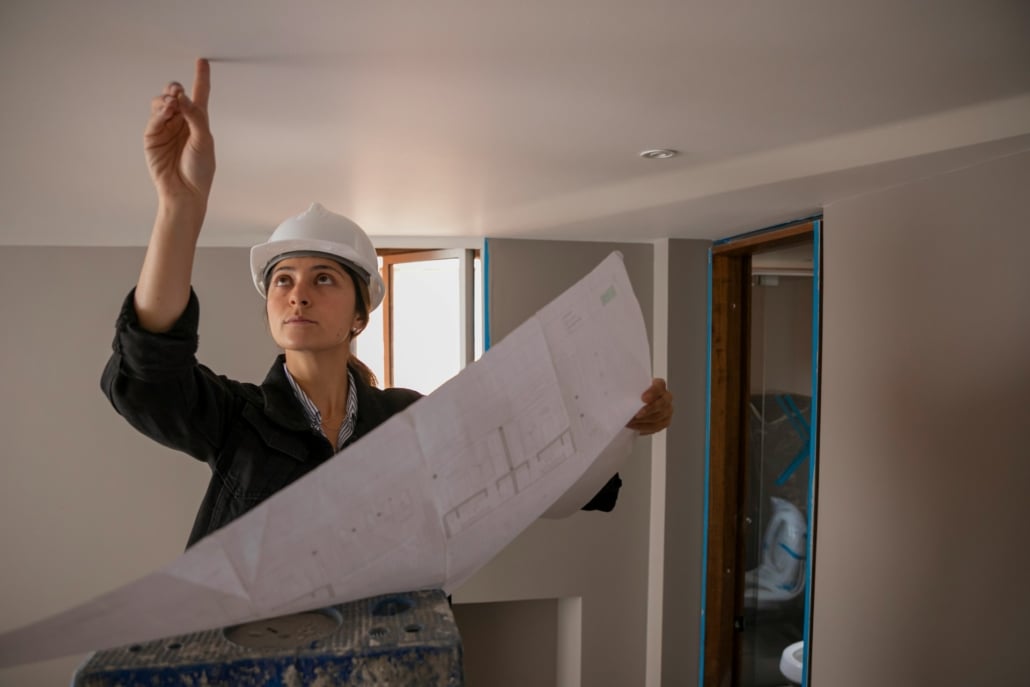
Use a Pre-Purchase Inspection Report to Negotiate in Auckland
Turn Your Inspection Report Into Negotiating Power
A good pre-purchase house inspection in Auckland is not just a box to tick. It is one of the strongest tools you have when you are trying to buy a home at a fair price, with fair conditions. When the market feels tight and open homes are packed, the buyer who has clear building information usually has the upper hand.
In winter, when listings can sit a little longer and there are fewer active buyers, a strong report can give you even more leverage. Instead of treating the result as a simple pass or fail, you can treat it as a blueprint that guides your price, your conditions, your timing, and what you ask the seller to fix. Fast, detailed, compliant reports mean you can do this even in short auction or deadline campaigns, so you are not left guessing when you need to move quickly.
Read Your Report Like a Seasoned Property Investor
When you first open your report, it can feel like a long list of problems. The trick is to sort those issues into simple groups so you know what really matters for value and risk.
Think about each item in three buckets:
- Cosmetic issues, like worn paint, tired carpet, old light fittings
- General maintenance, like loose guttering, minor cracks, stiff windows
- Big-ticket or risk items, like structural movement or moisture leaks
In Auckland, there are some common red flags that deserve extra attention:
- Weathertightness risk to cladding and junctions
- Poorly detailed decks and balconies that can let water in
- Subfloor moisture, especially on sloping or shaded sites
- Aging roofs and flashings coming to the end of their serviceable life
- Insulation gaps or poor ventilation that affect comfort
- Unconsented alterations, such as extra rooms or decks
A simple system for reading your report is:
- Highlight urgent safety issues, like exposed wiring or unstable balustrades
- Mark high-cost repairs, such as roofing, cladding, or serious moisture damage
- Note medium-risk items, like older joinery or early signs of decay
Then ask, for each item, what the likely dollar impact could be. You do not need exact quotes at this stage, but you want a sense of which items might cost hundreds, which might cost many thousands, and which are more about ongoing care. Those bigger items are the ones you will lean on hardest in your negotiations.
Timing Your Negotiation in Auckland’s Fast Market
In a fast Auckland campaign, timing is everything. Ideally, you want your pre-purchase house inspection in Auckland done before you make an offer, so you can set your price and conditions with your eyes open.
There are three common timing setups:
- Before making an offer on a listed property, so your offer can be cleaner and more confident
- During a due diligence period in a conditional agreement, where you have time to investigate issues properly
- Ahead of an auction or deadline sale, so you can decide your maximum bid and what risks you can live with
With auctions and multi-offer situations, you often have very short timeframes. Same-day, compliant reports help you keep pace with the campaign while still making grounded decisions. You are not scrambling at the last minute or waiving conditions without understanding the risks.
Winter can open a small window of advantage. There are often fewer buyers prepared to get out in the cold and rain, and some sellers are keen to move on. If you pair recent comparable sales with the findings from your report, you can make firmer, well-justified offers, backed by written evidence instead of just opinion.
Scripts to Negotiate Price Using Your Report
Once you understand your report, the next step is talking to the agent or vendor in a clear, respectful way. You want to be firm, but not emotional. Always refer back to specific parts of the report, not vague feelings.
Here are some simple scripts you can adapt.
1. Asking for a price reduction.
“Thanks for your time. We are still very interested in the property, but the building inspection has raised some issues we did not expect. In particular, the inspector has flagged [roof condition / moisture readings / subfloor issues] as needing significant work. Based on that, we would be comfortable proceeding at [new figure], which reflects the repairs we will need to take on.”
2. Requesting vendor repairs before settlement.
“We would like to go ahead, but the report shows some urgent items, especially [safety issue or weathertightness concern]. We are happy to keep the price where it is if the seller can arrange for this work to be completed by a suitably qualified tradesperson before settlement, with documentation to confirm the work has been done.”
3. Seeking a credit on settlement instead of repairs.
“Given the time involved, we think it is more practical if we handle the repairs ourselves after settlement. To make that work, we will need an adjustment to the purchase price. Based on the inspection report and initial advice, we are seeking a credit of [amount] on settlement to cover these items.”
Keep everything in writing. Attach the relevant pages of the report when you email the agent so they can see you are relying on objective findings, not just trying to push the price down for no reason. Make it clear you are still a serious buyer, as long as the price and terms fairly reflect the condition of the home.
Smart Contract Clauses That Protect You
Your report works best when your contract backs it up. That is where strong clauses come in. Always get your lawyer or conveyancer to review and tailor your wording.
Common conditions that sit well with a pre-purchase inspection include:
- Building inspection condition
- General due diligence clause
- Finance condition
- LIM and title checks
Some clause ideas you can discuss with your legal adviser are:
- A building inspection clause that lets you cancel if major defects are identified and you are not satisfied with the condition of the property
- A clause that requires both parties to negotiate in good faith if significant issues are found, allowing for price adjustments or repairs
- A repair clause that lists agreed works, to be completed by a qualified tradesperson before settlement, with invoices or certificates supplied as proof
Clarity is key. Your contract should set clear timeframes for when inspections must be done, how long you have to raise concerns, what counts as satisfactory work, and what proof of completion is needed. When those details are spelled out, there is much less room for stress or confusion later.
When to Walk Away and When to Push Harder
Not every report leads to a deal. Sometimes the right move is to walk away, even if you feel attached to the property.
You might step back if your inspection shows:
- Serious structural problems or foundation movement
- Widespread moisture damage or likely hidden decay
- Major unconsented work that could be hard to regularise
- Total repair costs that would blow your budget or leave you overexposed
On the other hand, some defects are more about opportunity than disaster. For example:
- Older but serviceable roofing that will need work in the coming years
- Tired windows and doors that still function but need attention
- Deferred maintenance like peeling paint, worn cladding, or basic drainage issues
These can give you room to negotiate a stronger price, without making the home unworkable.
A simple decision checklist can help:
- What is the realistic cost to remedy, including a margin for surprises?
- How much risk are you personally comfortable carrying?
- How might these issues affect resale in the Auckland market?
- Do you have the time and headspace to manage trades after settlement?
When you answer those honestly, you will know whether to step away, hold firm, or push harder in negotiations.
Confident Next Steps with Your Auckland Inspection
A clear, detailed building inspection lets you move from guessing to deciding. You book a quality pre-purchase house inspection in Auckland, read the findings with a focus on risk and cost, time your negotiations around campaign deadlines, use straightforward scripts with the agent, and back it all up with solid contract clauses checked by your lawyer.
When you treat the report as a negotiation tool, not just a compliance document, you gain confidence. You can respond quickly in a fast market without feeling rushed into a blind decision. At The Property Inspectors, we focus on same-day, detailed, compliant reports tailored to Auckland homes so you can bring facts, not fear, into your next offer and negotiate with evidence on your side.
Protect Your Investment With Expert Pre-Purchase Insights
Before you commit to buying, let our qualified team at The Property Inspectors give you a clear picture of what you are really purchasing with a detailed pre-purchase house inspection in Auckland. We identify issues early so you can negotiate confidently or walk away from costly hidden problems. Reach out today and we will arrange an inspection time that fits your schedule and keeps your next move fully informed.