Latest News

My Kitchen Rules: The first stop of a property inspection

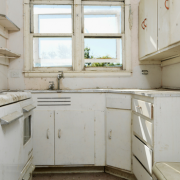
For many people, the kitchen is the heart of the home. Just like the vital organ that keeps our bodies running, the kitchen can be put under a lot of stress and strain due to how regularly it’s used. No other rooms in the house involves as much everyday ‘movement’ – which is why it’s one of the important areas we look at when conducting a property inspection.


General wear and tear

Everyday life can result in a lot of small nicks and scratches to your kitchen – whether it’s from cooking and cleaning or just packing cutlery and crockery away after hastily unloading the dishwasher. Dented cabinetry, worn out hinges and scratched benchtops can all be pretty common if you’re not extra careful.

Superficial damage isn’t always a big deal – if you buy a property you’ll likely end up doing the same kind of damage, just from everyday use. The bigger issue comes when a kitchen has been installed for a number of years and it’s now coming time to replace all that cabinetry and all those hinges that have been taking damage for a long time. Eventually you’re going to have no choice but to replace the whole lot – which will obviously come at a pretty high price. When we carry out property inspections we consider the small things that may add up to big costs in the future.


Appliance alert

When you buy a home you typically get a whole range of kitchen appliances included with the purchases, these are detailed in the chattels list. When inspecting a property, we check to ensure they turn on, but, at the end of the day, you can never be sure of the quality of appliance or their performance. Ovens that don’t heat at the temperature, (imagine trying to bake a pavlova), dishwashers that only provide a half-decent clean… It’s all possible. Make sure you take into consideration the fact that any property you purchase may come with some hidden extra costs.

The other thing that some people surprisingly can overlook is what appliances a kitchen actually has – we’ve had clients who’ve been very happy with their impending purchase only for us to point out that the kitchen doesn’t actually have a dishwasher – or any space for one at all!

Having a ventilation system (range hood or air extraction system) is also incredibly important for any kitchen. Without ventilation, any sort of cooking is going to result in excess moisture settling in your home.


Function and form

In all likelihood, you’re going to be spending a lot of time in your kitchen. It’s all well and good if it’s in pristine condition and the appliances function as they should – but there are other practical considerations. How much bench space do you have? How many people can fit in the kitchen? Are there enough power outlets to have the toaster, the electric jug, and the Espresso machine plugged in at the same time? When assessing a kitchen, you really have to imagine yourself using it, and whether or not it’s going to be comfortable and practical for you.


Code compliance

Beyond all the factors that you need to consider with regards to whether you actually like your kitchen, it’s naturally important to also think about the legalities of what you’re purchasing.

Some renovated homes will have a second kitchen (more often than not, in a granny flat or something similar). Regularly, these additional kitchens are not code compliant and can’t legally have an oven installed (and won’t be covered for insurance in case of a fire). A quick trip to the council can clear issues like this up – we’ll make sure we flag any problems that might concern you in a building inspection.

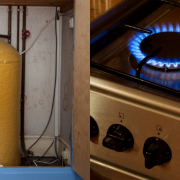
There are a number of other legal issues to consider when it comes to kitchens: In older houses it wasn’t uncommon for gas bottles to be stored in the kitchen, under the sink – new laws require that these gas supplies now need to be held outside the house. Often during renovation processes now homeowners are looking to make their home more ‘open plan’, which typically requires the removal of walls – if you’re doing anything like this in a kitchen you’ll need to get building consent.

There are many little things like this that a lot of people don’t know to consider when assessing the merits of a kitchen, from practicalities to legalities – which is why it’s important to get experts in to assess the situation. Book a property inspection today to make sure that the kitchen you’re looking to cook up a storm in is up to scratch.

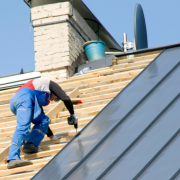
Man on roof doing maintenance after a building inspection

Roofing red flags: A building inspection for your roof

When purchasing a new property there are a whole heap of things to be aware when it comes to roofing. Though for many people it’s probably a case of ‘out of sight, out of mind’, it’s important to pay attention to the type and quality of roof a home has, because these factors can significantly impact your home’s upkeep and renovation costs. At The Property Inspectors we know what to look out for – so here are the types of things that you should keep an eye out for (and that we’ll cover in a pre-purchase building inspection report).


Pitch perfect

Replacing a roof can be a costly job – especially when you discover that your roof pitch is no longer compliant with the current building regulations. In the seventies, it wasn’t uncommon for houses to be built with very flat roofs, it was very common for roofs to have only 1 degree of pitch(fall). As you could expect, a lot of these homes have issues with rainwater ponding on the roof, with no fall for the water to drain. The lower the pitch, the more water will pond, which is why under the current building code requires a pitch of a minimum of 3 degrees. The problem is now when you want or have to replace the original low pitch roofing iron, you may have to comply with current Building Code Regulations or Manufacturer’s Specifications. This may significantly impact on the cost of that new roof. When it comes to low pitch roofs, it’s sometimes a case of damned if you do, damned if you don’t!


Form over function

People tend to favour spending money on things they can see more prominently – which is why kitchens and bathrooms tend to get done up before any money goes into areas like roofing or insulation. People are afraid to sink $20k into getting their roof done up because it’s hard to see the benefits of the renovation, which results in many homes still having their original roofs. I’ve previously fallen victim to this mindset myself, having planned to do some maintenance on my own roof but not being proactive enough (even a building inspection expert can make mistakes!). I came home one day to find water dripping through the ceiling when I knew I’d left it too late. A few loose nail fixings allowed water into the ceiling space which caused water damage – oops, I should have re-screwed the roof in the summer like I was going to! Repainting and re-screwing the roof is now high on my maintenance list of things to do.


No roof is immune

Like any part of the home, without regular upkeep your roof can start losing its ability to perform its function – and I think the roof’s function is possibly the most important of anything in your home! Over time, all sorts of things can happen to your roof. If it’s an old nailed roof then nails can work their way loose, sheets can come loose, and the steel can rust. If it’s a concrete tile roof, the ridge and hip capping can crack and fall out, allowing water ingress. Be careful standing on pressed iron tiles as they dent easily and can then split. At the end of the day, no matter what kind of roof you have, you need to be vigilant.

Roofs have a lifespan, which can be increased if they’re well-maintained – so if your house is from the sixties and you haven’t replaced your iron or decramastic roofing tiles yet, then make sure you get a Licenced Building Practitioner (Roofer), to inspect your roof to establish its life expectancy and maintenance required to prevent water ingress. Spending a bit on the roof now may give you the extra time you need to budget for a new roof in the future.


Poor design, poor installation, poor quality

Older homes tend to suffer from more bad design choices than more modern homes. Lots of old roofs don’t have roofing underlay, which means that moisture can more easily get into ceiling spaces, resulting in a condensation and, eventually, mould. Even with more modern homes, you can’t be certain that a home is going to have a high-quality roof, as the installation process can have a big impact on the end result. Poor installation can lead to the loss of a warranty too, so it always pays to be careful.  I have seen many new roofs where the protective paint coating has been damaged at installation or by other tradies standing or damaging it while carrying out other work on the building. With a building inspection you can rest easy that we’ll be on the lookout for any potential issues your home may have – roofing or otherwise.


If you’re at all concerned about the roof of a house that you’re looking to buy or sell, get in touch today for a building inspection report – the cost of an inspection is a lot cheaper than installing a new roof! I can’t guarantee the roof won’t leak, but I can give you an opinion as to its condition, good or bad.

Winter home inspection & maintenance – cleaning gutters and more

How to do your own winter home inspection & maintenance

Whether you’re getting ready to sell over winter, selling after the cold season’s over, or are just keen to have your home warm, comfy, and low-maintenance over winter, now is a great time to do your own winter home inspection and maintenance.

While the Auckland weather can’t seem to make up its mind about the season currently, we do still have the odd day of sunshine – so take advantage of it by getting out and giving the outside of your home a once-over, before heading inside and looking at what aspects of your home are most likely to be affected by the dampness and cold that winter brings.


Here’s a few things you should cover in your winter home inspection and maintenance:

  • Get your flue cleaned: Before you’re ready to use the fireplace, make sure it’s cleared of all the soot from last year. This will help keep it nice and warm – plus you may void your home insurance if your flue or fireplace isn’t swept every year.
  • Change your heat pump/air con filter: People tend to forget to clean the filters on their heat pump at the end of winter, so yours likely still has quite a bit left in it from last year – not to mention the pollen from over summer. Give it a clean to make sure that the air it’s pumping through your home is clean and healthy.
  • Clear the leaves out of your gutters: Whether you’re selling or not, leaves in the gutters aren’t a great look – and can cause a whole heap of problems in heavy rain, especially if you have internal type gutters. Prep ahead by clearing out your gutters and downpipes for anything that might obstruct water moving easily through them. You may want to consider installing a gutter guard product if there are large trees near your home.
  • Clean out your extractor fan ducts: How long has it been since you cleaned the extractor fan in your bathroom? Is it still effectively removing dampness? Make sure it will over winter by giving it a good clean. If your bathroom doesn’t have a fan, it may be a good time to install one.
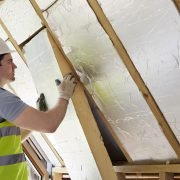
  • Invest in insulation: There are few things more frustrating than being cold inside your own home. If you’re sick of that, then insulation is one of the best ways to help your home stay warm and comfortable. And as an added bonus, it can add real value when it comes time to sell.
  • Keep an eye on leaks and mould: If you’ve already got the odd leak, or can see mould growing on your ceiling, now’s the time to take action. Whether it’s repairs to your roof that are needed, better ventilation, or even bigger issues, why not find out now, before winter really hits or before you sell?


Whether you’re ready to sell or are looking at buying a home, getting a home inspection report can let you know what areas of a home most need maintenance before and during winter. Get in touch today for a free quote.

Pre-purchase house inspection

6 questions to ask before booking your pre-purchase house inspection

Before signing on the dotted line to secure your new home, you may want to get an expert’s opinion in the shape of a pre-purchase house inspection. The last thing you want to do is end up with an asset that’s going to cost you money in the long run.

There are a number of building inspectors carrying out pre-purchase inspections who you can approach, but you need to make sure that they’re going to give you useful, reliable advice. Ultimately, your decision will probably come down to how much experience each inspector has and how useful the information they provide you with will be.

So what sort of questions should you ask before a pre-purchase house inspection?


What experience do you have?

Before booking a pre-purchase house inspection, you want to make sure that your inspector knows what they’re doing. Find out how long they’ve been inspecting, and what they did prior to inspections that gives them insight into how homes are constructed.

I started out as a builder back in the 80s, and, combined with my time in the NZ Police as a Forensic Crime Scene Examiner, that’s given me the ability to pick up things that others might not. Industry knowledge is vital – and great observation skills are even more important.


What kind of qualifications do you have?

Inspectors should be experienced and qualified – completing New Zealand Building Surveyors Training Programme modules has given me knowledge on key things to look for, including weather tightness, and any inspector worth their salt should have done similar training.

The modules also cover topics such as decay, fungi and moulds, cladding systems, forensic techniques, and the properties of moisture.


What kind of feedback have you received from clients?

Before booking a pre-purchase home inspection, make sure you’ve heard what the inspectors’ other clients have said. Google their name or search for them on Facebook to discover unedited testimonials from clients. One of the nicest parts of the job as an inspector is hearing nice feedback, so most inspectors will share some on their website well.

One of my favourite testimonials, from Marcia Gates, highlights why I became an inspector: “I just wanted to thank you for the comprehensive and professional report you provided us with when we were considering buying a property recently. We were totally unaware of building construction and pitfalls we may have encountered without the professional report we received from you. We also thank you for being so pleasant and honest to deal with.”


What sort of pre-purchase house inspection reports are available?

Whether you’re a purchaser or the vendor, a home inspection report can be pretty helpful. In both situations, a report will highlight the strengths and weaknesses of a property, giving the vendor a clear view of what they might need to fix up before selling, and showing any potential buyers the true condition of the home so they can avoid any nasty surprises!


How quickly can I get my report?

The home buying process is long enough without reports dragging it out even more. Make sure you know upfront when you’re going to get your report so there are no nasty surprises. We turn our reports around in only one working day so that you get as much time as possible to consider what’s covered in the report.


Know your inspector, know your property

Pre-purchase house inspection reports are necessities when you’re considering buying or selling a property. Reports, however, are only as reliable as the inspector you’re working with. Make sure you’re working with one who’s got the experience and know-how to make sure you know what you need to know. Get a quote for a pre-purchase house inspection now

Asbestos building inspections

Keeping an eye out for asbestos

Asbestos. We’ve all been told how bad it is for us, but what actually is it? Found in many building materials used until the late eighties, it’s a mineral that can be hazardous to your health if incorrectly managed.

Though it has many applications, these health risks meant that its use in homes has been heavily regulated in New Zealand from 1978. So although most modern houses should be asbestos-free, it’s very likely that any house built before the regulation (and for some time afterwards) will include asbestos within the materials.

This doesn’t mean that older houses are bad investments or medical emergencies waiting to happen – it just means that you have to be wary of the risks involved.

Asbestos can be relatively safe if the materials supporting it are left undisturbed. Health issues are usually caused when the fibres are inhaled, and this happens only under certain circumstances, such as during a renovation. As symptoms of inhalation only show up in the long term, it can be almost impossible to know if you’re putting yourself at risk unless you consult building inspectors or other experts.


Red flags to look for

Though any house built prior to the eighties might have asbestos within, as long as the materials containing the asbestos are in a secure condition you don’t need to be too concerned.

Any sort of physical trauma to materials can cause asbestos to be released. Flaky walls, damaged cement cladding, and loose insulation are all primary perpetrators. Renovating older houses can be especially challenging as the work carried out can often lead to the release of asbestos fibres. Even something as mild as children roughhousing and knocking into walls could cause issues, which is why it’s so important to be aware of any potential asbestos in your home.

If, during a building inspection, we find signs of asbestos, we will flag in the building inspection report that it could be a cause for concern in the property. However, it’s impossible to say for sure whether asbestos is present without lab testing a sample. It always pays to be wary.


The removal process

If you’re faced with the situation where these dangerous fibres could potentially be released into your home, then you’ll need to pay to have them removed – which is a fairly pricey endeavour. This is something worth thinking about when purchasing a house with the intention of fixing it up – you may be paying a cheaper price upfront, but costs will add up pretty quickly when you need to get professionals in.

Asbestos removal is not a simple task, which is why you’ll need to hire competent removers to do the work for you. Many builders may claim to know the removal process, but they are just as likely to try scraping it off your walls – a big mistake. Although initially a building foundations company, the team at Conqra are heavily experienced in asbestos removal and The Property Inspectors recommend them for any asbestos-related issues.

Older houses can be very attractive investments for a number of reasons, however there can also be a number of pitfalls potential buyers can find themselves in. It’s important to consider the implications of purchasing a property that uses materials containing asbestos as the long-terms effects to your health and your pocket can be significant. Although there is nothing inherently wrong with purchasing an older house, if there’s been significant damage to the property or you’re thinking of renovating then you may run into trouble.


Signs of asbestos are just one of the many things we look for when conducting a building inspection – so get a free quote now to make sure you’re not going to have to deal with the consequences!

Get a pre-purchase building inspection to make sure your pre-approved finance will actually come through – don't be fooled by old plumbing and a rusty roof!

Pre-approved finance: Avoid losing it with a pre-purchase building inspection

Buying a house can be stressful at the best of times. Often it feels like there’s so much going on at once, it’s hard to get all your ducks in a row and actually buy the home you really want. So thinking about a pre-purchase building inspection might not be the first thought on your mind!

However, the advice I give to new home buyers and seasoned investors alike, is to get pre-approved finance as early on in the buying journey as possible – and make sure that any home you’re keen to buy will be covered under that finance with a pre-purchase building inspection.

The last thing you want is to fall in love with a home, sink time and energy into making an offer, then miss out because you can’t get the right finance in time or because the house isn’t covered by your pre-approval.

What is pre-approval?

When we talk about ‘getting pre-approval’, it’s basically a guarantee from your bank that they will lend you money. Two forms exist: Initial pre-approval, and specific pre-approval.

Initial pre-approval may be acquired from your bank at any time, whether you have a house in mind or not—it’s basically just an expression of how much money your bank is willing to lend. For example, you may get a letter from the bank saying you have pre-approval up to $600,000, meaning you should limit your search to houses in that range.

Specific pre-approval comes when you have a house in mind. The bank will want to know details about the condition and valuation of the house, along with your income, expenses and history, and will make a decision based on this whether they will lend you money for the particular property you’re hoping to buy. This means that you’ll be able to leave the bank armed with a letter saying, for example, that they’ll loan you up to $575,000 for 12 Pond Street.

Why is it important?

Having pre-approval takes a lot of the worry out of buying a house, and gives you an edge over other buyers.

When the market is hot, sellers will often only consider offers from buyers who have pre-approval. Think of it from their perspective: They don’t want to enter into an agreement with someone who might not even be able to come up with the money—that’d be a waste of their time, with so many other willing buyers out there. Gaining pre-approval means a fast, easy purchase, putting you one step ahead of others in your shoes.

Pre-approval also helps you set boundaries. There’s nothing worse than looking at a bunch of open homes, falling in love with your dream house, then realising the bank won’t lend you money for it.

What can prevent pre-approval?

Plenty of factors affect gaining pre-approval: Your personal finances (incomes, expenses, type of employment, credit history, assets), the house’s valuation, and condition.

The majority of these are out of your control, but not the house’s condition. Often a house can seem like it’s in great condition aesthetically, yet have major issues lying just under the surface. That’s where a pre-purchase building inspection comes in. Some banks may not give pre-approval for houses that may have:

  • Roof issues (rust, significant leaking etc)
  • Old wiring and electrical board (these may require an electrical inspector to check)
  • Dux Quest plumbing (popular in the 1970’s, but found to have serious leaking issues)
  • Age (anything pre-1940’s may have specific criteria to meet, such as no scrim)
  • Foundations (houses made with old totara poles will typically suffer from rot)
  • Cladding type(some banks have specific criteria for high risk cladding types, such as cladding on a cavity system)

A good pre-purchase building inspection will quickly unearth any of these issues.

Taking the time to invest in having any potential future home thoroughly checked over can not only mean gaining pre-approval and an advantage over other buyers, but also saving unnecessary time wasting and heartbreak, should issues arise.

Rather than leaving a building inspection to be part of the mad rush before settlement date, get it out of the way nice and early, and make sure that your financial pre-approval is secured with a pre-purchase building inspection.

Get a free quote now

Pool fencing laws - get a property inspection

Could new pool fencing laws affect the property you’re buying?

While keeping up with new legislation isn’t the average person’s idea of fun, recent legal changes around pool fencing could affect you and your property. While I won’t go into all the nitty-gritty details about what’s changing (you can read them for yourself here), the crux of it is that on 1 January 2017, the Building (Pools) Amendment Act 2016 repealed the Fencing of Swimming Pools Act 1987, and provisions about pool fencing were inserted into the Building Act 2004. Still confused? Don’t worry—I’m here to break down what these changes will mean for you and your property.

What’s new?

The new fencing laws can be broken down into three main changes: inspection frequency, new territorial authority, and suitable barriers.

While the Auckland Council already requires that privately owned pools undergo a check-up every 3 years, this requirement now applies to all pools across the country. Inspections can be performed by either a council member or an independent pool inspector. While I’m not qualified to make official pool inspections, I know some of the key things to look out for when I do your property inspections, and can give you a heads up as to what may no longer qualify as a safe pool barrier.

When a qualified person comes to inspect your pool, they will take a look at both the external barriers and the internal functionality of the pool, making sure that it is both safe and compliant. Now that the standards around compliant barriers have changed, you may find your pool does not pass its inspection, even if it was fine last time. Spa pools smaller than 5m2   may only need a safety cover as a suitable barrier, and doors that lead directly to a pool must be self-closing or have an alarm that sounds if the door is not closed again after an adult walks through. While these may seem costly and unnecessary, you don’t want to have a child drown in your pool due to non-compliant fencing—which is why it’s worth calling an expert.

How pool fencing affects buying and selling properties

Your property is more than just your house, and in the same way that I advise contacting a property inspector before buying, it’s also worthwhile to have someone inspect your pool. If you’re selling, the last thing you want is for someone to inform you that your pool barriers aren’t up to standard—you don’t want to have to lower your selling price! Being able to inform potential buyers that your pool meets the required safety codes proves the value of your property, and hopefully will encourage people to buy it.

If you’re looking to buy a house, a non-compliant pool could become a hidden cost, something best avoided with the help of a specialist. The ideal transaction between a seller and a buyer will have as few hiccups as possible, which is why both pool and property inspections are so crucial.

With changes in the Act come changes in standards of acceptability, and while this may seem like a pain the neck for people with pools on their property, it’s all about keeping people safe in your home. Don’t let hidden costs catch you off guard—get both your pool and house up to standard with the help of a professional.

Contact me now to book a professional property inspection.

Budgeting for house costs? Factor in a building inspection

Have you done your sums? Hidden costs when buying a property

If you’re looking to buy a home, you may be wondering whether it’s worth hiring a building inspector to complete a pre-purchase home inspection. If the house looks good to you, is a building inspection worth the cost?

What many home buyers don’t realise is that houses can come with hidden costs, and choosing not to invest in a pre-purchase building inspection now could result in major expenses further down the track. As someone with years of experience behind me, I know what to look out for – here are some of the common building flaws that the untrained eye may miss when examining properties:

Mould—what does it mean?

It’s pretty common for homes to acquire a little bit of mould on their exterior over time, and sometimes all the walls need is a good scrub. However, mould could also be a sign of a leaky home, something which you definitely DON’T want to buy. Leaky homes can cost tens or hundreds of thousands of dollars to fix, and just aren’t worth it. Choosing to get a professional building inspection before finalising any payments could save you from purchasing a lemon – and some pretty tough times money-wise later.

Your responsibility

Once you’ve purchased a property, any pre-existing problems are now your responsibility. If you’ve been around all the open homes, it can be very overwhelming, and it’s easy to forget to check for some of the common problems in houses. Throughout my years of experience, I’ve noticed a few faults that seem to avoid being noticed until it’s too late. Faulty roofing, broken home appliances, unstable handrails, and problematic plumbing are financial burdens that you really don’t need!

It’s also important to consider how well the building will fare in different weather. A poorly ventilated house can lead to pesky mould, and a house without insulation will cause your power bill to skyrocket during the winter months! It’s also worth noting that insulation will be compulsory in all rental homes starting July 2019, so if you’re buying property to rent, you’ll probably want to get a building inspection report first.

Faults can be your friend

Whenever I conduct a building inspection, chances are I’ll find a few hidden faults within the property. In a competitive housing market (particularly in Auckland!), knowing the property’s flaws are the best bargaining chips you’ll have. Use them to your advantage when negotiating – you may even be able to get a better deal!

If you’re browsing around the housing market at the moment, pre-purchase building inspections on any house you’re considering is just good sense – and will help save you a huge amount of money and stress further down the line. Get in touch today for a quality building inspection with results you can trust.

Tips for property season from a building inspections expert

Getting ready for property season – from an Auckland building inspections veteran

Regardless of whether the property market has slowed or not, summer is always a busier time of year. If you’re looking to buy, it’s vital that you’re prepped and ready to go before you make an offer or bid at an auction. From my construction and building inspections background, I’ve put together my five top tips for getting ready for property season:

Find out any issues in advance

One of my clients found a house they loved and that looked great on the surface so decided to forgo the property inspection beforehand. Unfortunately, once they’d made the agreement they realised that the property was not constructed out of timber framing, as they had thought, but instead from composite panels. While this changed their minds about wanting the property, it unfortunately was not the kind of thing that would void the purchase agreement, and so they had to complete the purchase. Had they had a building inspection report carried out, they likely would not have made an offer on that particular property.

Get someone who knows what to look for on board

It takes experience to notice the potential problems a house could have, and if you don’t know what you’re looking for, it’s easy to get caught out. A house that looks great on the surface may have bigger issues, so make sure you bring in someone with a background in building to identify small problems that could turn into bigger ones, such as faulty tiling, leaks, or risks due to cladding types. These are the issues that take an expert to spot, so it always pays to ask a professional building inspector for their opinion. With my construction and building inspections experience, I notice things that the average home buyer wouldn’t.

Watch out for the fine print

With many houses selling at auction, it’s easy to get caught up in the excitement of bidding wars. However, bidding = buying. Once you’ve made an offer for a property via a bid, you are now legally committed to the sale. Even if your sale and purchase agreement gives you options to cancel the deal, sometimes they’re not worded in your favour and they are legally binding. Get a property lawyer to look over any contracts before you sign and protect yourself from any issues later.

Weigh up the cost

If you’re attending an auction for a home, a pre-auction property inspection may seem like an unnecessary cost when there’s no guarantee that you’ll get the property. However, the same can be said if you have signed a Sale & Purchase Agreement and need to get out of the deal. You’ll need to engage the services of a lawyer, will be far higher than if you had obtained a pre-auction/pre-offer property inspection.

Likewise, the cost of a property could go up exponentially when you take into account any issues that may cost you far more down the line in repairs. When you’re looking at buying a property, factor the cost of building inspections (several, if needed) into your budget. While the cost may seem unnecessary, there’s nothing worse than finding out that you’ve spent a million bucks on a property which needs a large sum of money spent on it.

Put your emotions aside

I’ve seen many buyers become emotionally attached to a faulty property, particularly when it’s their first home. No matter how perfect a house may seem, there are some problems that can’t be fixed – such as borer in the walls. My job is to give you the facts about a property, even if they’re hard to hear. Try as hard as you can to avoid getting emotionally attached to a property before you know whether it’s actually fit for purpose.


If you’re browsing around the housing market at the moment, pre-purchase building inspections on any house you’re considering is just good sense – and will help save you a huge amount of money and stress further down the line. Get in touch today for a quality building inspection with results you can trust.


building inspection reports

What to look for in building inspection reports

How to get peace of mind from your pre-purchase or pre-sale building inspection reports

Pre-purchase or pre-sale; there are a couple of different types of building inspection reports. While they both make up an important part of a negotiation around a purchase, they are sought by different parties in a negotiation, for different purposes. First let’s take a look at the key differences – before we delve into what you should be looking for, in either case.

If you’re wanting a pre-purchase building report

A pre-purchase inspection is perhaps the more common form of building report. Like you might subject a used car that you were looking to buy to a mechanical check, you want to be sure that the house you are buying contains no hidden surprises. Whether you’re buying an investment property or looking to purchase the home of your dreams, a professional inspection assesses the condition of a property, ensuring that you’re not signing on for unknown or unforeseen significant problems. Believe it or not, even new builds may have issues (I inspect new builds all the time), so just because it’s new and has a CCC (Certificate of Code of Compliance) doesn’t mean it’s free from issues. A building inspection report is designed to give you, and your bank, the confidence that you are making a sound purchase.

If you’re wanting a pre-sale property report

More and more homeowners are being advised to get a pre-sale inspection of their property in order to make this report available for potential buyers. Following New Zealand’s leaky home crisis, both property buyers and the banks are more wary, especially when it comes to particular types of homes. Not only highlighting problems, a building inspection report can also highlight areas where value can be added. A pre-sale building report shows transparency and can give the vendor an opportunity to repair things highlighted in the pre-sale report they were unaware of. It and can be used as a powerful negotiation tool when it does come time to get someone signing the dotted line.

So what are the most important things to look for in a pre-purchase or pre-sale building inspection report?

Trusted credentials

Not all building inspectors are created equally, so don’t be afraid to ask to see some credentials. Many building inspectors used to be builders, which gives them practical knowledge. Look for a combination of vast experience and special skills or lines of specialty that set your inspector apart, as well as what official training and certifications they have. The best inspectors should be continually increasing their knowledge base with updates in the industry – I’ve recently undergone Pool Fencing and BOINZ Accreditation Courses to ensure my skills and knowledge change and grow as the building industry and housing market does.

Thorough and detailed

Make sure that the building inspection report that you’re going to get following your building inspection is thorough and details, taking into account all aspects of the property of interest. Comprehensive building inspection reports covers more than just moisture-testing and external weather-tightness and should also provide detail right from the type and condition of the foundations through to each aspect of the home’s construction methods and materials, and the condition these are in. You can view one of our comprehensive sample building inspection reports here, to see the level of detail that you can expect from The Property Inspectors.

Great follow up

Reading the report is one thing, being able to talk through and interpret the results is another. A great building inspector will not only provide you with a thorough report, they’ll also be available to discuss any issues or concerns that you may have following their findings. Wherever possible, I’ll call the purchasers to discuss the inspection before I even send through the report, so you understand every part of it.

If you’re ready to get a building inspection report, get in touch today.