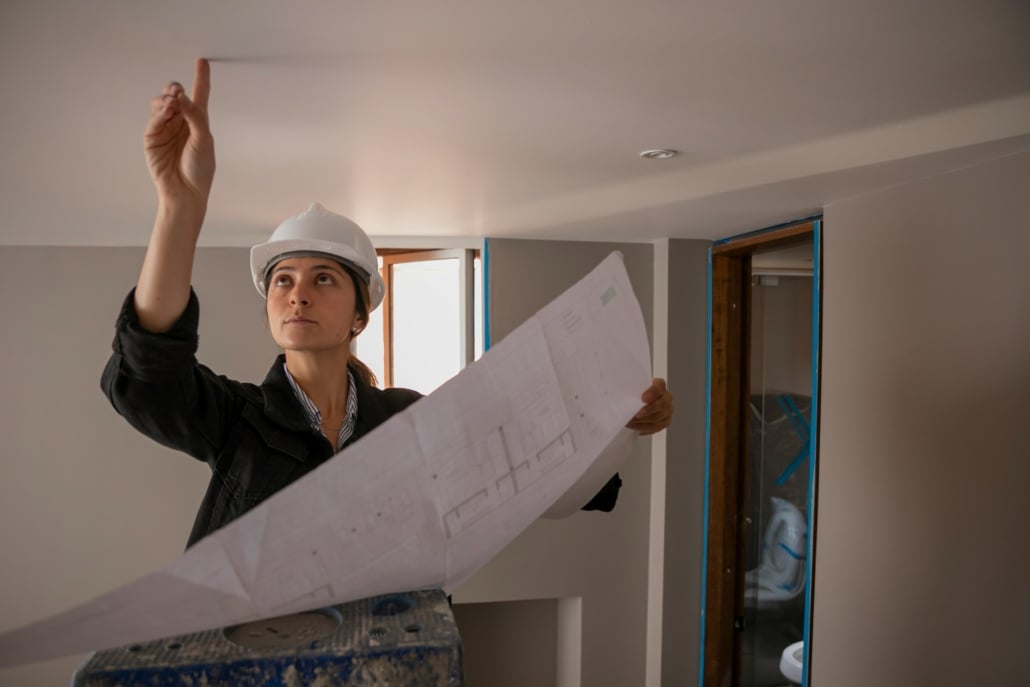
What Happens When a House Inspection Finds Unconsented Work?
Potential unconsented work is one of the biggest unknowns a buyer can uncover before purchasing a house. It is not always a reason to walk away, but it can affect what you pay, what you can do with the property later, and how confidently you move forward.
During Auckland’s busy spring market, auction dates and offer deadlines can make every decision feel rushed. A thorough house inspection in Auckland helps us draw attention to visible changes that deserve a closer look while you still have options.
When Changes to a House Raise Questions
Unconsented work generally means building work was completed without a required building consent, or there are no records showing the work was approved when it should have been. That does not mean every change to a home is automatically a problem.
Some smaller jobs can be exempt from consent requirements. Larger changes, however, may need approval. This can include work such as structural alterations, additions, plumbing changes, altered layouts or changes that affect how part of the house is used. What was required can depend on the type of work and when it was completed.
A concern about unconsented work can lead to uncertainty around:
- Whether the work is safe and properly completed
- Insurance or lending questions
- Future renovation or consent applications
- The cost of putting work right, if required
- What future buyers may ask when you sell
We recommend treating missing documents or unexplained alterations as a prompt for further questions, rather than relying on an agent’s or vendor’s verbal reassurance. Written records and clear advice give you a much firmer basis for making a decision.
How a House Inspection in Auckland Can Spot Red Flags
A pre-purchase building inspection is an important early step, especially when you are considering a standalone residential house with visible alterations. Our inspections are designed to identify observable concerns and explain them in plain English, so you can see where more investigation may be needed.
Sometimes the clues are obvious. A new room may not match the rest of the house, an exterior wall may have a recently added opening, or an enclosed deck may look different from the original dwelling. Other signs can be less clear and may only stand out when we look at the house as a whole.
Red flags we may note include:
- Internal walls that appear to have been moved or removed
- Garages converted into living spaces
- Decks that have been enclosed to form extra rooms
- Bathrooms that appear to have been added later
- Changed rooflines, extensions or additions that look inconsistent with the original house
An inspection report is not a council records search, and we cannot guarantee that every historic alteration was consented. Auckland Council is the authority that can confirm whether consent was required and whether relevant records exist. What we can do is help you notice visible issues early, giving you clear points to raise before your purchase becomes unconditional.
Our detailed same-day reports can be particularly helpful when your due diligence period is short or when you need to make an informed auction decision before bidding.
Compare What You See with the Paperwork
Once a possible alteration has been identified, the next step is to compare the house with the available property documents. This may include the LIM, council property file, building consents, code compliance certificates and plans provided by the vendor or agent.
The key question is simple: does the paperwork reflect what is actually there? If a garage now contains a bedroom, a deck has become an enclosed room, or an extra bathroom appears to have been added, ask whether supporting documents are available.
It is worth looking closely at:
- Approved plans and whether they match the current layout
- Building consent documents for additions or major alterations
- Code compliance certificates where relevant
- Notes or records held in the council property file
- Information supplied by the vendor about work completed
Discrepancies should be raised promptly through your solicitor or conveyancer. Depending on what is found, you may need more information from Auckland Council, an assessment by an appropriate trade professional, or advice about the likely process for addressing the issue.
Timing matters here. We encourage buyers making a conditional offer to allow enough time for a house inspection in Auckland, document checks and follow-up questions. If you are buying at auction, these checks should be completed before bidding wherever possible, as you may not have a due diligence condition after the hammer falls.
Turning a Finding Into an Offer Decision
Potential unconsented work does not lead to one fixed outcome. The right response depends on the type of work, the records available, the condition of the alteration, the likely scope of any remedial work and your plans for the house.
In some cases, the paperwork and further advice may provide enough reassurance to proceed. In others, you may decide to seek more investigation, negotiate the purchase terms, or step back from the property if the uncertainty feels too great.
What matters is making the decision with your eyes open. A missing consent record can become more significant if you plan to renovate, change the home’s layout or sell in the future. Even where the work seems minor, unanswered questions can create delays and stress later on.
We often find that buyers feel more in control once concerns are clearly written down. Instead of trying to remember a quick conversation at an open home, you have a detailed report to discuss with your legal adviser, the vendor’s representative and any other appropriate professionals.
Give Yourself Time Before Committing
Spring can bring fast-moving property decisions, but rushing past a concern about possible unconsented work can leave you carrying uncertainty after settlement. Booking an inspection early gives you more room to review the findings, request documents and decide what the information means for your offer.
A detailed report cannot replace council confirmation or legal advice, but it can give you stronger questions and clearer evidence before you make an unconditional commitment. Finding a concern early is far easier than discovering it after the house is already yours.
Make Your Offer With Better Information
If you are working to a tight deadline, we can help you arrange a house inspection in Auckland for the standalone home you are considering. The Property Inspectors provide thorough, plain-English reports to help you understand the property’s condition before your next step. Get in touch with our team to discuss availability, access and your inspection timeframe.