What Pre-Purchase House Inspections in Auckland Miss (and How to Fill Gaps)
Know What Your Inspection Report Is Really Telling You
A pre-purchase house inspection in Auckland is one of the most important checks you can do before you buy. Homes sell fast, and you often have to make big decisions under pressure. An inspection gives you a snapshot of the house on that particular day so you are not guessing about serious issues.
When the weather turns wet and cold, leaks, damp patches and mould are more likely to show up. That can make this stage even more helpful, because problems that were hidden in dry weather can suddenly become obvious. But even then, no inspection can see or predict everything.
The main job of a building inspection is to identify visible defects and safety issues. It is not a guarantee that nothing will ever go wrong, or a promise that the house will perform perfectly for years. Even when you receive a detailed, same-day report, there are clear limits to what it can cover. The key is to know where those limits sit, so you can fill the gaps before you go unconditional.
Hidden Limits of Even the Best Building Reports
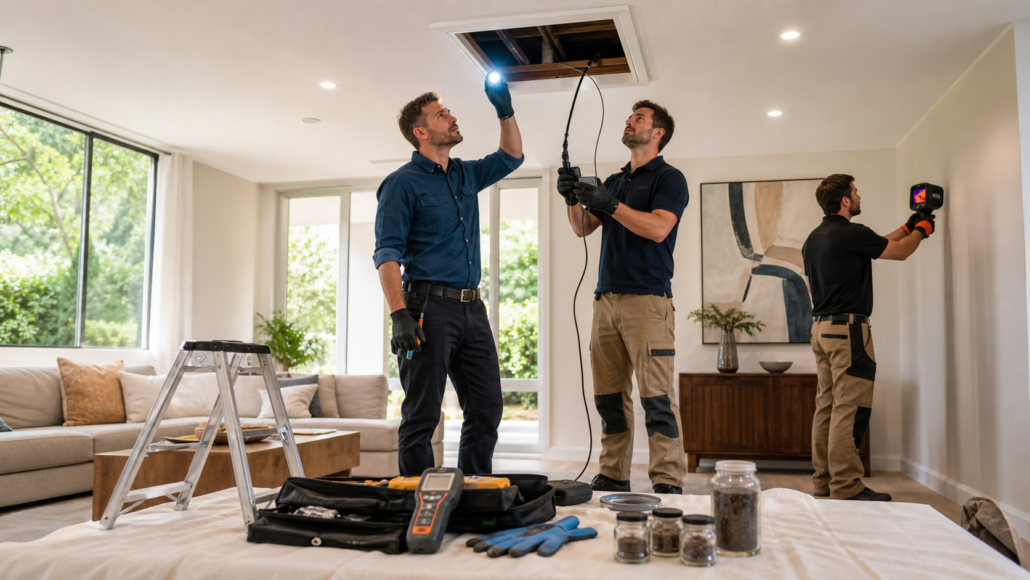
Every inspection has physical limits. We cannot see through walls or lift up fitted flooring. We cannot move heavy furniture, remove cladding, or cut access holes. If something is hidden, we can only comment on indirect signs that there might be an issue.
Areas that are often restricted or hidden include:
- Wall cavities, ceiling voids and subfloor spaces with no safe access
- Spaces behind large wardrobes, fridges or stacked boxes
- Roof surfaces that are too steep or slippery to walk on
- Decks, paths or gardens built tightly against walls
- Garages or sheds packed with stored items
Time and access on the day also play a big part. Short inspection windows, tenants at home, or a seller that does not want certain areas opened up can all limit what we can see. A locked room or a car parked over a suspected drain problem might mean we can only give a general comment instead of a clear answer.
Weather matters too. During a long dry spell, active leaks may not show, even if there are past water stains. In heavy rain, you might see obvious roof or gutter problems but miss a small flashing fault that only leaks in strong wind. For drainage, some issues only appear when the ground is already saturated. This is why reports often include phrases like “no evidence at time of inspection” rather than “no problem exists”.
What a Report Will Not Tell You About Future Costs
A pre-purchase house inspection in Auckland focuses on what is there now, not what it might cost you in five or ten years. We can talk about condition, risk and urgency, but we are not doing a full future cost forecast or a property valuation.
Common blind spots around future costs include:
- Remaining life of the roof, especially if it still looks sound
- When the exterior will next need repainting or re-staining
- Long-term wear on driveways, paths and retaining walls
- Possible upgrades to meet changing standards, such as insulation top-ups or extra smoke alarms
- Gradual wear in bathrooms and kitchens that may be functional now but near the end of their life
For first-home buyers, this can be stressful. You might already be stretched with your deposit, legal fees, moving costs and higher interest rates. A surprise roof replacement or repaint a couple of years after settlement can hit hard. The inspection helps you spot urgent issues that need attention right away, but it will not map out every medium-term cost you could face.
One practical way to think about it is like this: the report shows you what is broken now or clearly failing, not everything that is simply old or getting tired. You still need to plan for normal maintenance and eventual replacement of key parts of the house.
Risks Beyond the Scope of a Standard Inspection
There are also risks that sit fully outside a typical building inspection. These need their own checks from other specialists or through council records and legal advice.
Standard building reports usually do not include:
- Methamphetamine contamination testing
- Asbestos sampling or laboratory analysis
- Detailed electrical inspections of every circuit and fitting
- Full plumbing pressure and drain camera tests
- Structural engineering assessments for major alterations
On the legal side, an inspector does not confirm consents or sign-offs. We might notice work that looks newer than the rest of the house, but we do not check the council file or titles. Things like unconsented decks or garages, boundary disputes, or zoning rules that affect what can be built next door need to be checked by your lawyer and through council.
In Auckland, location and environment can bring their own set of risks. These might include:
- Flood-prone streets and overland flow paths
- Hillside sites with slip potential
- Coastal erosion or salt exposure closer to the water
- Heavy traffic noise or planned transport projects
- Future development that could block views or sunlight
To understand these, you usually need council information, planning maps, and sometimes specialist reports. A house inspection is focused on the building itself, not the wider setting.
How to Fill the Gaps Before You Go Unconditional
The good news is that once you know what a pre-purchase house inspection in Auckland does and does not cover, you can plug many of the gaps quite simply. Think of the report as your base map, and then layer extra checks on top where needed.
Useful extra steps often include:
- Ordering a LIM report and full property file from council
- Getting meth testing if the property type or history makes it sensible
- Arranging asbestos checks where there are older building materials present
- Asking an electrician to look more closely at older switchboards or wiring
- Having a plumber check water pressure, hot water systems or suspect drains
- Talking to neighbours about flooding, parking, noise and local quirks
Your inspection report itself is a handy guide for where to focus. Pay special attention to:
- Any areas where access was limited or blocked
- High or inconsistent moisture readings
- Comments about “recommend further investigation”
- Notes on previous leaks, movement or cracking
- Repeated mentions of poor maintenance
These are the spots where a bit more digging now can save a lot of stress later. At The Property Inspectors, our detailed, same-day reports are written so you can see these risk areas clearly and ask informed questions. Using the report as a conversation tool with your inspector, your lawyer and your other advisers helps you turn a simple document into a real decision-making asset.
Turn Your Report Into a Confident Buying Decision
A pre-purchase house inspection in Auckland should give you confidence, not fear. It is a strong foundation for your buying decision, but it is not the final word. When you combine a good inspection report with targeted specialist checks and smart council research, you greatly cut down the chance of nasty surprises after settlement.
At The Property Inspectors, we want buyers to see the full picture, not just what is written on the day of the visit. By understanding the limits of any inspection and filling the gaps before you go unconditional, you are in a far better position to choose the right home, negotiate fairly and step into ownership with your eyes open.
Protect Your Investment With a Clear, Independent Inspection
Before you commit to buying, let us give you a detailed picture of the property’s true condition so you can negotiate and plan with confidence. At The Property Inspectors, we provide a thorough pre-purchase house inspection in Auckland tailored to home buyers who want no surprises after settlement. Book your inspection today and we will clearly explain any issues, answer your questions and deliver a report you can rely on.